
T: +86-512-86871686
P: +86-13814898700
P: +86-13814898700
No.639 Yuanxin Road, Taoyuan Town, Wujiang, Suzhou, Jiangsu, China
Views: 0 Author: Site Editor Publish Time: 2025-12-11 Origin: Site
In the world of crafting, knitting, crocheting, and other fiber arts, the choice of yarn is central to the final product's appearance, feel, and functionality. Over the years, yarns have evolved to meet the growing demand for both high-performance and environmentally conscious materials. Eco-friendly yarn has emerged as a popular alternative to conventional yarn, especially as sustainability becomes an increasingly important factor for both consumers and artisans.
But how do eco-friendly yarns compare to conventional yarns, and which one is better for your crafting projects? This question is often debated, and the answer depends on various factors, including your crafting goals, environmental concerns, and budget. In this article, we will explore the differences between eco-friendly and conventional yarns, examining their materials, production processes, benefits, drawbacks, and the environmental impact. By the end, you’ll have a clear understanding of which type of yarn is best suited for your needs.
Eco-friendly yarn is made from sustainable, biodegradable, or recyclable materials that have a lower environmental impact compared to conventional yarns. The production of eco-friendly yarns involves using raw materials that are grown or processed with minimal harm to the environment. The fibers used in eco-friendly yarns include natural fibers such as organic cotton, hemp, wool, bamboo, and recycled fibers like post-consumer plastic bottles. These yarns are designed to support sustainable practices and are often free from harmful chemicals, synthetic dyes, and other pollutants commonly used in conventional yarn production.
Eco-friendly yarn can also refer to yarns made from renewable, biodegradable resources, ensuring that once they are disposed of, they will break down naturally in the environment. Some examples of eco-friendly yarns include:
Organic cotton: Grown without synthetic pesticides or fertilizers.
Hemp: Requires minimal water and pesticides.
Recycled yarn: Made from repurposed plastic bottles or textile waste.
Bamboo: A fast-growing, renewable resource that requires minimal water.
Conventional yarn, on the other hand, refers to yarns made from synthetic or non-sustainable materials, often including fibers like acrylic, nylon, polyester, and wool produced through standard, non-organic farming practices. Conventional yarns are typically more affordable and widely available but are often made from non-renewable resources or are processed with chemicals that can harm the environment. For instance:
Acrylic yarn: Made from petroleum-based products, it is non-biodegradable and requires a significant amount of energy to produce.
Nylon and polyester: Both are synthetic, oil-derived fibers that do not biodegrade and can contribute to plastic pollution in landfills.
Conventional wool: Often sourced from non-organic farms, which can use pesticides and fertilizers, and may not adhere to ethical or sustainable farming practices.
Conventional yarns are often known for being more affordable, widely available, and easy to work with. However, their environmental footprint and sustainability are increasingly becoming a concern for many crafters who are looking to make more ethical choices in their projects.
When deciding between eco-friendly and conventional yarns, there are several factors to consider. Each type of yarn offers distinct advantages and disadvantages, and the best choice will depend on your specific crafting goals, environmental considerations, and budget. Let’s take a closer look at how they compare across key areas:
The most significant difference between eco-friendly and conventional yarn lies in their environmental impact, both in terms of production and disposal.
Sustainable Materials: Eco-friendly yarns are made from renewable, biodegradable resources. For example, organic cotton and hemp require minimal water and pesticides to grow, making them less harmful to the environment than conventional cotton or synthetic fibers.
Biodegradability: Many eco-friendly yarns, such as those made from wool or hemp, are biodegradable, meaning they will break down naturally once they are discarded. This reduces their environmental footprint compared to non-biodegradable synthetic fibers like acrylic and nylon.
Chemical-Free: Eco-friendly yarns often come from organic farming or are processed with fewer chemicals, which is better for the environment and human health.
Fossil Fuel Dependency: Many conventional yarns, such as acrylic and polyester, are made from synthetic, petroleum-based materials. These fibers are non-renewable and contribute to the depletion of fossil fuels.
Non-Biodegradable: Synthetic yarns like acrylic and nylon do not biodegrade and can persist in landfills for hundreds of years, contributing to plastic pollution.
Chemical Processing: Conventional yarn production often involves the use of harsh chemicals, including pesticides, fertilizers, and synthetic dyes. These chemicals can pollute soil, water, and ecosystems.
In terms of environmental impact, eco-friendly yarn is the clear winner. It supports sustainable agricultural practices, reduces waste, and minimizes pollution.
When it comes to durability, conventional yarns like acrylic and nylon are often more resilient than eco-friendly yarns made from natural fibers. However, the durability of a yarn depends on the specific fiber, the type of project, and how the yarn is cared for.
Natural Fibers: Eco-friendly yarns made from fibers like organic cotton, hemp, and bamboo are often softer and more breathable, but they may not be as durable or resistant to wear as synthetic fibers. Hemp, for example, is strong and durable but can be stiff at first.
Wool: Wool from ethical farms is highly durable, especially when treated properly. It is also naturally elastic, meaning it retains its shape and resists stretching over time.
Synthetic Fibers: Acrylic and nylon yarns are typically more durable and resistant to wear and tear. They are less likely to stretch, fade, or shrink, making them ideal for long-lasting projects such as blankets, toys, and outdoor gear.
Maintenance: Conventional yarns, especially acrylic, are easier to care for. They are machine washable, and they dry quickly, making them convenient for everyday use.
While eco-friendly yarns may require more care to maintain their appearance, their longevity can still be excellent when chosen for the right type of project. Synthetic yarns, however, generally outperform in terms of resistance to wear and ease of maintenance.
When selecting yarn for a crafting project, the texture and feel of the yarn are important factors to consider, especially for items that will be worn close to the skin.
Softness: Eco-friendly yarns made from organic cotton, bamboo, and wool are known for their softness and comfort. Wool, especially merino wool, is soft and ideal for warm garments like sweaters, hats, and scarves. Organic cotton and bamboo yarns are smooth and breathable, making them perfect for lightweight summer garments.
Variety: Natural fibers often have a richer, more varied texture compared to synthetic fibers. For instance, hemp yarn can feel rough initially but softens over time, and organic wool can have a rustic, organic feel.
Uniform Texture: Acrylic and nylon yarns tend to have a more uniform, smooth texture. While they are not as soft as natural fibers, they are still comfortable to work with and can be used for a wide variety of projects.
Durability vs. Comfort: While synthetic yarns may not offer the same level of softness as eco-friendly yarns, they provide long-lasting wearability and resistance to pilling, making them suitable for items that require frequent use, such as blankets or home décor.
If softness and comfort are a priority for garments or wearable items, eco-friendly yarns such as organic cotton, wool, or bamboo are excellent choices. For more durable, hard-wearing items that don’t require as much softness, conventional yarns like acrylic may be preferred.
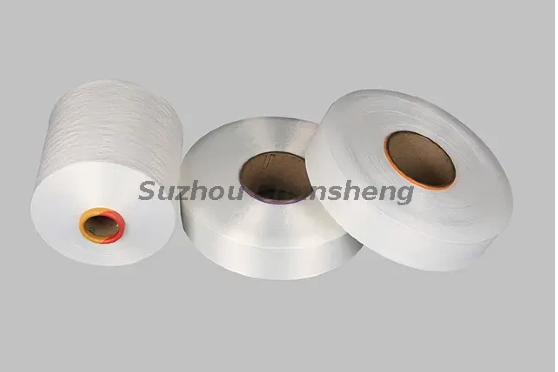
Cost is an important consideration when choosing yarn, especially for larger projects. In general, eco-friendly yarns tend to be more expensive than conventional yarns, primarily due to the higher costs associated with sustainable farming practices, ethical sourcing, and eco-conscious production methods.
Eco-friendly yarns made from organic fibers, ethical wool, or recycled materials are generally priced higher than conventional yarns. This is because sustainable farming and eco-friendly production methods often incur higher labor and resource costs.
Some eco-friendly yarns, particularly those made from recycled plastic bottles or Tencel (a fiber made from sustainably sourced wood pulp), may also carry a premium due to the added environmental benefits of repurposing waste materials.
Conventional yarns, particularly acrylic and polyester, are typically less expensive because they are mass-produced from petroleum-based materials. These yarns are widely available and often made through less sustainable processes, which helps keep their prices lower.
While they may be cheaper, conventional yarns do not offer the same level of sustainability or biodegradability as eco-friendly alternatives.
If cost is a significant factor, conventional yarns might be the more budget-friendly option. However, for those willing to invest in sustainability and eco-consciousness, eco-friendly yarns are worth the extra cost, especially considering their long-term environmental benefits.
Availability and variety are important factors to consider, particularly for large or specialized projects. While eco-friendly yarns are becoming more accessible, they may not always offer the same range of colors, textures, or blends as conventional yarns.
Eco-friendly yarns are increasingly available, especially from niche or small-scale manufacturers who focus on sustainability. However, the variety of colors, textures, and fiber blends may be more limited compared to conventional yarns.
Some eco-friendly yarns may come in more neutral or earthy tones, while others may be dyed with low-impact or natural dyes. There is also a growing range of eco-friendly yarns in more vibrant and diverse colors.
Conventional yarns, particularly acrylic and nylon, offer a wide variety of colors, textures, and blends. They are readily available in most craft stores and come in a wide range of price points, colors, and weights.
Many synthetic yarns are mass-produced, which allows for greater availability, especially for large-scale projects.
If variety and availability are important for your project, conventional yarns may offer more options. However, eco-friendly yarns are becoming more available and diverse as the demand for sustainable crafting materials continues to grow.
Choosing between eco-friendly yarn and conventional yarn depends on a variety of factors, including the nature of your project, environmental concerns, budget, and personal preferences. While eco-friendly yarns are often more sustainable, comfortable, and ethically sourced, they can come with a higher price tag and may not always offer the same variety as conventional options. Conventional yarns, while often more affordable and widely available, typically come with a larger environmental footprint due to their synthetic origins and chemical processing.
Ultimately, the best choice depends on your crafting goals and values. If you prioritize sustainability, eco-friendly yarns offer a range of benefits for both your projects and the planet. On the other hand, if budget, availability, or durability is your primary concern, conventional yarns can still be a practical option.
By understanding the differences between eco-friendly and conventional yarns, you can make an informed decision that aligns with your personal crafting needs and values. Whether you’re creating a cozy sweater, a warm blanket, or a stylish accessory, the yarn you choose will contribute to the final product’s quality, longevity, and environmental impact.