
T: +86-512-86871686
P: +86-13814898700
P: +86-13814898700
No.639 Yuanxin Road, Taoyuan Town, Wujiang, Suzhou, Jiangsu, China
Views: 0 Author: Site Editor Publish Time: 2026-08-20 Origin: Site
Premature carpet degradation creates massive hidden financial impacts in high-traffic commercial and residential environments. Shedding, matting, and the loss of tuft definition rapidly transform newly installed flooring into worn, unprofessional surfaces. Procurement teams and manufacturers constantly face the challenge of balancing upfront material specifications against long-term performance, tactile feel, and replacement cycles. Fiber choice dictates up to 80% of a carpet's lifecycle performance, making the initial material specification the most critical decision in the manufacturing and purchasing process. Bulk Continuous Filament (BCF) technology serves as the structural baseline for modern durability. By extruding long, unbroken strands of polymer, BCF eliminates the inherent weaknesses found in traditional spun fibers. Within this category, Nylon 6 stands as the optimal polymer choice. It maximizes the structural advantages of continuous filaments, providing unmatched bulk resilience, superior elastic recovery, and lasting aesthetic longevity in the most demanding environments.
Structural Integrity & Bulk Resilience: BCF manufacturing produces continuous strands that inherently resist the shedding and pilling common in traditional staple spun yarns, while offering superior bulk resilience.
Polymer Superiority: Nylon 6 BCF Yarn offers unmatched elastic recovery and crush resistance, maintaining tuft definition significantly longer than polyester (PET) or polypropylene.
Aesthetic Advantages: Beyond durability, BCF yarns provide a naturally higher lustre and smoother finish compared to staple yarns, elevating the visual quality of the final product.
Specification Precision: Carpet durability relies on fiber type, the choice between premium branded vs. generic nylon, and the correct specification of denier, twist level, and heat-setting processes.
Durability in carpet applications relies on a specific set of success criteria. A high-performing carpet must demonstrate extreme abrasion resistance to withstand constant foot traffic. It requires exceptional appearance retention, meaning the fibers do not fray or fuzz over time. Bulk resilience ensures the carpet feels thick and supportive underfoot, while ease of maintenance guarantees that dirt and stains can be removed without damaging the structural integrity of the yarn. Meeting these criteria starts at the extrusion level. We see carpets fail in the field not because of poor installation, but because the specified fiber cannot handle the mechanical stress of the environment.
The manufacturing distinction between BCF and staple yarn dictates their respective performance limits. BCF consists of long, continuous polymer filaments extruded together in a single, unbroken bundle. The extrusion process melts polymer chips, forces them through a metal plate called a spinneret, and cools them into solid strands that run the entire length of the carpet roll. The shape of the microscopic holes in the spinneret dictates the cross-section of the fiber. Trilobal cross-sections are common because they hide dirt by scattering light, whereas round cross-sections offer maximum strength.
Staple yarn, conversely, is made of short fibers—typically six to eight inches long—that are carded, drafted, and spun together to form a cohesive thread. Staple yarn has inherent mechanical failure points. Under the friction of heavy foot traffic, the short fibers slowly work loose from the spun bundle. This friction pulls the fibers to the surface, causing the carpet to shed and pill. You will often notice this in newly installed staple carpets, where vacuuming fills the canister with loose fuzz for months.
BCF drastically outperforms staple products because there are no short ends to pull loose. The continuous nature of BCF Carpet Yarn locks the fibers securely into the primary backing. This structural difference also creates a distinct visual contrast. BCF yields a higher lustre and a highly uniform appearance. The unbroken surface of the filament reflects light more evenly. Staple yarns scatter light due to the microscopic ends protruding from the spun thread, resulting in a duller, less consistent finish.
Structural Comparison: BCF vs. Staple Yarn
| Feature | Bulk Continuous Filament (BCF) | Staple Spun Yarn |
|---|---|---|
| Filament Length | Continuous, unbroken strands | Short, 6-8 inch cut fibers |
| Shedding Potential | Virtually zero | High, especially after initial installation |
| Lustre and Finish | High lustre, smooth and uniform | Dull, scattered light reflection |
| Pilling Resistance | Excellent | Poor to Moderate |
| Manufacturing Process | Direct extrusion and texturizing | Carding, drafting, and spinning |
The physics of continuous filaments naturally prevent loose strands. Because the filament runs continuously from the backing to the tip of the tuft and back down, there is no physical way for a single fiber to detach unless the strand is cut or broken by extreme external force. This eliminates the shedding phase entirely. We rely on this characteristic heavily when specifying flooring for healthcare facilities or clean-room adjacent spaces where airborne particulates must remain low.
To give these continuous synthetic strands the soft, voluminous feel of natural spun yarn, manufacturers use a bulking or crimping process. Hot air or steam jets force the straight filaments into a confined space, causing them to buckle and form three-dimensional zig-zag or helical crimps. This texturizing process adds massive volume and bulk resilience. The crimped structure acts like a microscopic spring. It allows the yarn to compress under weight and immediately expand back to its original shape. It withstands severe wear and tear without compromising the continuous nature of the strand.
Selecting the right polymer transforms the performance and feel of the final product. While polypropylene and polyester have their place in the market, Nylon 6 remains the premier polymer for demanding environments. Its chemical properties directly translate to physical durability, making it the standard against which all other carpet fibers are measured.
The molecular structure of Nylon 6 contributes directly to its high tensile strength and extreme abrasion resistance. Nylon 6 is synthesized through the ring-opening polymerization of caprolactam. This process creates long, linear polymer chains held tightly together by strong hydrogen bonds. These hydrogen bonds prevent the polymer chains from sliding past one another easily when subjected to friction, giving the fiber its exceptional resistance to physical wear.
More importantly, Nylon 6 possesses remarkable elastic memory. When heavy static loads from furniture or dynamic loads from high foot traffic compress the fiber, the polymer chains stretch. Because of the specific spacing of the amide groups in Nylon 6, these chains naturally want to return to their original, relaxed state once the pressure is removed. This elastic recovery allows the fiber to bounce back repeatedly over years of use. You can place heavy office desks on a nylon carpet, and once removed, a simple steam extraction will often restore the pile height completely.
The glass transition temperature of Nylon 6 sits around 47°C (117°F). At room temperature, the polymer remains tough and resilient. When exposed to steam cleaning, it briefly crosses this thermal threshold, allowing the fibers to reset their memory and stand upright again. This thermal responsiveness explains why hot water extraction is so effective at reviving crushed nylon carpets.
These polymer properties drive real-world outcomes. Maintaining the original texture of a carpet requires strict tuft definition. In hallways, hotel lobbies, and heavy-use commercial spaces, carpets face thousands of compressions daily. Fibers with poor elastic memory suffer from plastic deformation. They flatten out and stay flat, a phenomenon known as matting or crushing.
Nylon 6 BCF Yarn actively resists this crushing. The combination of the mechanical crimp applied during the BCF process and the chemical elastic memory of the Nylon 6 polymer creates a dual-action rebound effect. The tufts remain upright, distinct, and visually crisp long after installation. We observe this constantly in casino and airport installations, where nylon maintains its structural integrity despite rolling luggage and constant pedestrian flow.
Nylon 6 offers superior chemical receptivity to acid dyes. The open molecular structure allows dye molecules to penetrate deeply into the fiber core during the dyeing process, rather than just coating the surface. This results in exceptional colorfastness and resistance to fading, even in areas exposed to sunlight or aggressive cleaning regimens.
The high lustre and smooth finish achieved through continuous extrusion make this yarn highly versatile. These aesthetic and durability traits make it ideal not just for broadloom carpets, but also for high-traffic area rugs, automotive interiors, and commercial upholstery where both visual appeal and extreme wear resistance are mandatory.
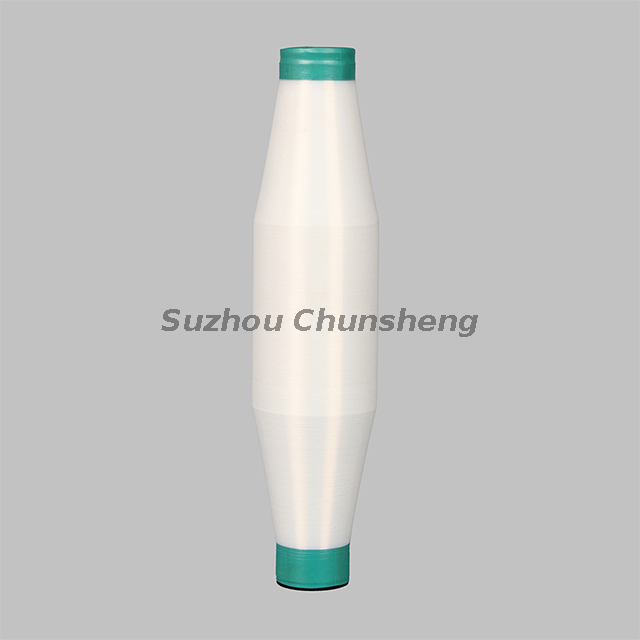
Comparing the leading polymer options requires looking through industry-standard evaluation lenses: crush resistance, stain resistance, longevity, and structural integrity. Understanding the specific trade-offs between Nylon 6, Polyester (PET), and Polybutylene Terephthalate (PBT) ensures accurate specification for the intended environment.
Polyester (PET) offers excellent natural stain resistance because its molecular structure is hydrophobic. It repels water-based spills effectively. It also carries a lower upfront material cost. However, PET suffers from poor elastic recovery. The rigid aromatic rings in the PET polymer chain prevent the fiber from bouncing back after compression. Once a PET carpet is crushed by foot traffic, it rarely recovers its original height.
Nylon 6 requires topical treatments to achieve the same level of stain resistance as PET, but its structural longevity is vastly superior. For Class I and Class II commercial ratings, Nylon 6 is heavily favored—and often mandated—because PET fails to maintain bulk resilience under commercial traffic loads. A PET carpet in a high-traffic corridor will ugly out from matting long before it actually wears through, forcing premature replacement.
Recent market trends and patent developments focus on mixing PET and PBT to improve polyester's performance. PBT has a longer aliphatic chain than PET, giving it slightly more flexibility and better stretch recovery. Manufacturers blend PET and PBT to achieve equal or better durability and tuft definition than 100% PBT yarns, attempting to bridge the gap between polyester costs and nylon performance.
A realistic assessment of these blends shows improvement over standard PET. They offer a softer hand-feel and better bounce-back. However, they still fall short of the absolute crush resistance and robust elastic memory of pure Nylon 6. For heavy commercial use, blends delay matting but do not prevent it as effectively as nylon.
Polymer Performance Comparison
| Polymer Type | Crush Resistance | Stain Resistance (Untreated) | Elastic Memory | Best Application |
|---|---|---|---|---|
| Nylon 6 | Excellent | Moderate | Superior | Commercial, High-Traffic Residential |
| Polyester (PET) | Poor | Excellent | Low | Low-Traffic Residential, Bedrooms |
| PET/PBT Blend | Moderate | Excellent | Moderate | Medium-Traffic Residential |
Reading and evaluating technical specification sheets correctly prevents costly material failures. Buyers must look beyond basic weight metrics and analyze the specific engineering of the fiber to ensure it meets the demands of the installation environment.
The market offers both premium branded nylon carpet fibers and generic extrusions. Premium brands often engineer their polymers with proprietary stain-blocking technologies built directly into the fiber structure. They may also utilize modified spinneret cross-sections, such as trilobal or hollow core shapes, to enhance soil-hiding capabilities and alter the lustre profile. Generic extrusions provide the baseline mechanical benefits of Nylon 6 but may require secondary chemical treatments to achieve similar stain resistance. You must evaluate whether the extended warranties and specialized cross-sections of premium brands justify the initial material investment for your specific project.
Denier measures the linear mass density of fibers, indicating the thickness of the yarn bundle. However, Denier Per Filament (DPF) is the critical metric for performance. DPF is calculated by dividing the total denier by the number of individual filaments in the bundle. A lower DPF yields a finer, softer fiber, enhancing the hand-feel for luxury residential applications. A higher DPF results in thicker, stiffer individual filaments, which drastically increases the structural rigidity and crush resistance of the carpet. Specifying High Strength Nylon Yarn for commercial spaces requires a higher DPF to withstand aggressive wear.
For cut-pile carpets, the yarn must be twisted and heat-set to maintain its structure. The twist multiplier, measured in turns per inch (TPI), determines how tightly the filaments are bound together. A higher twist level increases the density and resilience of the tuft.
Twisting alone is insufficient. The yarn must undergo rigorous heat setting. Processes like Superba, which uses pressurized steam, or Suessen, which uses dry heat, raise the temperature of the nylon to its glass transition point. This molecularly locks the twist into the fiber's memory. Improper heat setting causes the tufts to blossom and untwist under foot traffic, rapidly destroying the carpet's texture.
Verifying durability claims requires demanding independent testing. You should request data from industry-standard wear tests.
Hexapod Tumble Drum Test: Places a heavy, multi-legged steel pod inside a rotating drum lined with the carpet sample, simulating years of severe foot traffic in a matter of hours.
Vetterman Drum Test: Operates on a similar principle, using a steel ball with rubber studs to beat the carpet fibers continuously.
Radiant Panel Test: Measures the critical radiant flux to ensure the carpet meets commercial fire safety codes.
Carpets that maintain their appearance rating after 12,000 cycles in these mechanical tests demonstrate the true scalability and compliance required for heavy commercial specification.
Adopting or specifying advanced polymer yarns involves navigating specific manufacturing variables. Failing to control the production environment can negate the natural advantages of the polymer, resulting in substandard flooring.
Inconsistent bulking during the texturizing phase presents a major risk. If the steam jets or hot air nozzles fluctuate in temperature or pressure, the crimp level will vary along the length of the yarn. This results in streaks of flat, unresilient carpet that look worn immediately upon installation. Similarly, improper heat-setting temperatures fail to lock the molecular structure, reducing bulk resilience and allowing the twist to unravel.
Uneven drawing of the filaments during extrusion can also alter the crystalline structure of the nylon. This alters how the fiber absorbs dye, creating a defect known as the barré effect. The barré effect manifests as unintentional horizontal bands of light and dark color across the finished carpet, ruining the visual continuity of large installations.
The yarn must interact correctly with the primary backing, usually woven polypropylene, and the latex adhesive used to bind the secondary backing. If the yarn lacks proper texturizing, the latex cannot penetrate the fiber bundle, leading to poor tuft bind. Poor tuft bind results in zippering, where entire rows of yarn pull out of the carpet under heavy rolling loads. Ensuring the BCF yarn is properly crimped allows the latex to anchor the tufts securely.
Evaluating the financial impact requires modeling the complete lifecycle of the installation. Cheaper staple fibers or standard PET yarns offer an attractive initial procurement cost. However, in a high-traffic environment like an airport terminal or a hotel corridor, a PET carpet may suffer severe matting and require full replacement within three years.
Modeling a 10-year lifecycle demonstrates the value of premium polymers. Nylon 6 maintains its structural integrity, tuft definition, and appearance retention over a decade of heavy use. The extended lifecycle drastically reduces long-term replacement cycles, installation labor, and facility downtime.
Consistent quality relies on rigorous supplier vetting. You must ensure your extrusion partners use consistent, high-grade polymer chips rather than fluctuating blends of recycled post-industrial waste, which can compromise tensile strength. Reliable suppliers provide detailed technical data sheets, guarantee colorfastness across multiple dye lots, and maintain strict quality control over their crimping and heat-setting lines.
Request complete Technical Data Sheets (TDS) from prospective suppliers to verify Denier Per Filament (DPF) and twist multipliers before approving any material.
Order physical yarn samples to evaluate the lustre profile, crimp consistency, and hand-feel under your facility's specific lighting conditions.
Demand independent wear-test reports, specifically Hexapod or Vetterman Drum results, to validate the manufacturer's durability claims against your traffic expectations.
Audit the supplier's heat-setting process documentation to ensure the twist is molecularly locked for all cut-pile applications.
A: BCF consists of long, unbroken strands of polymer extruded together, which inherently prevents shedding and offers superior pilling resistance. Staple yarn is made from short fibers spun together. These short fibers can work loose under foot traffic, causing fuzzing and a duller appearance compared to the high lustre of BCF.
A: It provides exceptional elastic recovery and crush resistance. The molecular structure of Nylon 6 allows the fibers to bounce back from heavy static loads and constant foot traffic. This prevents the matting and flattening that quickly degrades lesser polymers in commercial settings.
A: No. Because BCF is manufactured as a single continuous filament running the entire length of the carpet, there are no short, loose ends to pull out. This continuous structure inherently eliminates shedding and vastly outperforms staple yarns in pilling resistance.
A: Its high tensile strength and abrasion resistance prevent individual filaments from breaking or wearing down under friction. This maintains the carpet's density and structural integrity, preventing premature wear patterns and significantly extending the usable life of the flooring.
A: Yes. While polyester offers good natural stain resistance, it lacks elastic memory and crushes easily under weight. Nylon 6 delivers vastly superior bounce-back and wear resistance, maintaining tuft definition much longer than polyester, even when blended with PBT.
A: Bulk resilience refers to the yarn's ability to spring back from compression. During manufacturing, the continuous filaments are crimped or texturized to give them a voluminous, spun-like appearance. This crimped structure acts like a spring, allowing the carpet to remain thick and supportive.
A: Yes. Its extreme durability, vibrant colorfastness, and high lustre make it highly effective for premium area rugs, automotive interior flooring, and heavy-duty commercial upholstery where both aesthetics and abrasion resistance are required.