
T: +86-512-86871686
P: +86-13814898700
P: +86-13814898700
No.639 Yuanxin Road, Taoyuan Town, Wujiang, Suzhou, Jiangsu, China
Views: 0 Author: Site Editor Publish Time: 2025-12-16 Origin: Site
The fashion industry is known for its significant environmental impact, with harmful practices such as high water usage, excessive chemical pollution, and the generation of textile waste. In recent years, however, there has been a shift toward more sustainable materials and practices. One of the key innovations in this movement is the use of eco-friendly yarn in the production of clothing, accessories, and home textiles.
Eco-friendly yarn is made from sustainable, renewable, or recycled materials and is processed with environmentally conscious methods. By choosing eco-friendly yarn, crafters and manufacturers can significantly reduce their environmental footprint, making a positive contribution to the planet.
In this article, we will explore how eco-friendly yarn helps reduce the fashion industry's environmental impact, the materials used in eco-friendly yarn, and how it can transform the future of sustainable fashion.
To understand the benefits of eco-friendly yarn, it's important to first recognize the environmental problems associated with conventional yarns. Many traditional yarns, especially those made from synthetic fibers such as acrylic, nylon, and polyester, have a considerable negative impact on the environment.
Conventional synthetic yarns, like acrylic and polyester, are derived from fossil fuels. These materials are not biodegradable and can take hundreds of years to decompose, contributing to the growing problem of plastic pollution. When garments made from synthetic fibers are washed, they release tiny fibers known as microplastics, which end up in waterways and oceans, harming marine life.
Natural fibers such as cotton require large amounts of water and pesticides during cultivation. Conventional cotton farming accounts for a significant portion of global water usage, and the heavy use of pesticides can harm ecosystems and biodiversity. Furthermore, many yarns, particularly conventional cotton and wool, are dyed using chemical processes that release toxic waste into the environment, further exacerbating pollution.
The fast fashion industry, which relies heavily on cheap synthetic materials, contributes to enormous amounts of textile waste. Millions of tons of clothing are discarded each year, most of which ends up in landfills. Synthetic yarns, like polyester, do not biodegrade and can persist in landfills for hundreds of years, continuing to pollute the environment long after they are thrown away.
The production of synthetic yarns and fibers also contributes to greenhouse gas emissions. The manufacturing process for polyester and other synthetic fibers requires significant energy and emits carbon dioxide. This contributes to the fashion industry’s overall carbon footprint, which is already a major contributor to climate change.
Given these environmental challenges, the shift towards eco-friendly yarn offers a sustainable alternative that can significantly reduce the fashion industry's negative impact on the planet.
Eco-friendly yarn is produced from materials that have a lower environmental impact compared to conventional yarns. These materials can be derived from renewable resources such as plants, or they can be recycled fibers. Eco-friendly yarns also undergo more sustainable processing methods, using less water, energy, and fewer chemicals. Some common examples of eco-friendly yarn include:
Organic cotton: Grown without synthetic pesticides or fertilizers.
Hemp: A highly sustainable plant that requires little water and no pesticides.
Recycled polyester or cotton: Made from recycled plastic bottles, fabric scraps, or other waste materials.
Bamboo: A fast-growing, renewable resource that is processed with fewer chemicals than traditional bamboo fabric.
Tencel (Lyocell): Made from sustainably sourced wood pulp using a closed-loop process that recycles water and solvents.
Recycled wool: Wool that has been recovered and repurposed from used garments, fabric scraps, or industrial waste.
These materials are not only renewable or recyclable but also have a lower environmental footprint in terms of both their production and disposal.
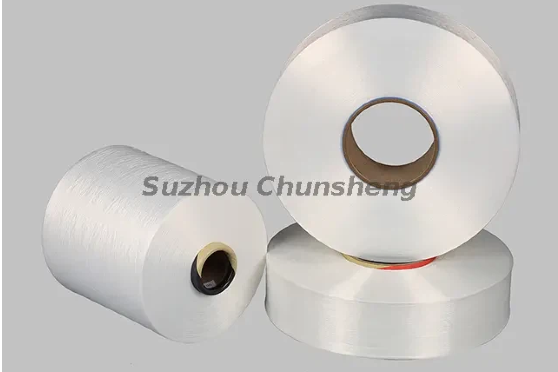
One of the most significant advantages of eco-friendly yarn is its ability to reduce pollution and waste in the fashion industry. By using natural fibers like organic cotton, hemp, or recycled materials, the production of eco-friendly yarn avoids many of the harmful chemicals used in conventional textile production, such as pesticides, fertilizers, and toxic dyes.
Additionally, recycled yarns help divert waste from landfills. For example, recycled polyester, made from post-consumer plastic bottles, helps keep millions of bottles out of landfills and reduces the need for new plastic production. By reusing and recycling existing materials, the demand for virgin resources is reduced, conserving natural resources and reducing energy consumption.
Furthermore, eco-friendly yarns are often biodegradable, meaning they break down naturally when discarded, unlike synthetic fibers that persist for centuries in landfills. This helps mitigate the growing problem of textile waste and reduces the environmental burden associated with clothing disposal.
Traditional textile production processes, especially for cotton, require vast amounts of water. The fashion industry is responsible for a large percentage of global water consumption. However, eco-friendly yarns made from organic cotton or hemp require significantly less water than conventional cotton, making them a much more sustainable choice.
Eco-friendly fibers like bamboo and Tencel are also processed in ways that use less water and energy. For example, the closed-loop process used to make Tencel involves recycling the water and solvents used in production, minimizing water waste and reducing environmental harm.
In addition, producing recycled yarns requires less energy than manufacturing virgin fibers. This makes recycled yarns an energy-efficient choice and helps lower the overall carbon footprint of the textile industry.
Many eco-friendly yarns are sourced from farms or suppliers that prioritize ethical and sustainable practices. For example, organic cotton is grown without the use of harmful pesticides or synthetic fertilizers, supporting healthier soil, better biodiversity, and safer working conditions for farmers.
Hemp is another highly sustainable material that requires minimal water, no pesticides, and little land to grow. It also improves soil quality and can even help restore land that has been damaged by traditional farming practices.
By supporting these sustainable farming practices, eco-friendly yarns contribute to the long-term health of the environment and support more ethical and responsible production methods.
The concept of circular fashion aims to create a system where products are reused, recycled, and repurposed, minimizing waste and maximizing the lifecycle of materials. Eco-friendly yarns, particularly recycled yarns, play an essential role in this system by transforming waste materials (such as plastic bottles or old garments) into new products. This reduces the demand for new resources and helps create a more sustainable and closed-loop fashion system.
In addition to promoting circularity, eco-friendly yarns contribute to reducing carbon emissions in the fashion industry. The production of recycled materials generally requires less energy than producing new fibers from raw materials. By choosing eco-friendly yarns made from recycled or renewable resources, crafters and manufacturers can help reduce the carbon footprint of the fashion industry.
Many eco-friendly yarns, especially those made from wool or hemp, are naturally durable and long-lasting. Items made from these fibers often have a longer lifespan than those made from synthetic materials, which can break down or lose shape over time. This durability means that products made from eco-friendly yarn are less likely to be discarded, contributing to a more sustainable fashion cycle.
In addition, because many eco-friendly yarns are biodegradable, when these items finally do reach the end of their life, they will break down naturally without causing long-term harm to the environment.
While eco-friendly yarns offer numerous benefits, there are some challenges associated with their use:
Eco-friendly yarns, especially those made from organic or sustainably sourced fibers, can be more expensive than conventional yarns. The production processes for these materials often require more labor, higher-quality inputs, and more sustainable practices, which can drive up costs.
Although eco-friendly yarns are becoming more popular, they may not always be as readily available as conventional yarns. In some cases, they may be harder to find, especially in local stores, and may require purchasing online.
Some eco-friendly yarns, particularly those made from natural fibers like bamboo or cotton, may not be as durable as synthetic alternatives. These yarns may require more care in washing and maintenance, and may not be suitable for all types of projects, such as those subject to heavy wear and tear.
Eco-friendly yarns are a significant step forward in reducing the fashion industry’s environmental impact. By choosing yarns made from sustainable, renewable, or recycled materials, crafters and manufacturers help conserve resources, reduce pollution, and promote ethical production practices. Although eco-friendly yarns may come with a higher price tag and limited availability, their long-term benefits for the environment and the circular economy make them a worthwhile investment. As consumer demand for sustainable products grows, eco-friendly yarn will likely become more accessible and diverse.
Switching to eco-friendly yarn means creating functional, beautiful items while supporting a healthier planet and a sustainable future for the fashion industry. As these materials gain popularity, it’s clear that eco-friendly yarn is not just a trend but a vital part of sustainable crafting and fashion. When opting for eco-friendly yarn, prioritize high-quality, sustainable options. Suzhou Chunsheng Environmental Protection Fiber Co., Ltd. offers eco-friendly yarns that meet rigorous sustainability and performance standards, ensuring your projects are both beautiful and environmentally responsible.