
T: +86-512-86871686
P: +86-13814898700
P: +86-13814898700
No.639 Yuanxin Road, Taoyuan Town, Wujiang, Suzhou, Jiangsu, China
Views: 0 Author: Site Editor Publish Time: 2025-12-09 Origin: Site
In the world of crafting, knitting, and crocheting, the materials we choose matter—not only for the final product’s look and feel but also for their impact on the environment. As sustainability becomes increasingly important, eco-friendly yarn has emerged as a popular choice for many crafters who want to reduce their environmental footprint while still creating beautiful, functional items.
But with the wide variety of eco-friendly yarns available, it can be challenging to know how to choose the perfect one for your project. From understanding the different fibers and their benefits to considering factors like texture, durability, and cost, there are many elements to consider when selecting the right eco-friendly yarn.
In this guide, we’ll walk you through everything you need to know to choose the perfect eco-friendly yarn for your project. Whether you’re making a sweater, blanket, or a small accessory, this article will help you navigate the world of sustainable yarns and select the best material for your crafting needs.
Eco-friendly yarn is a type of yarn made from materials that are produced in an environmentally responsible way. These yarns are sourced from sustainable, renewable, and biodegradable materials, and their production process is designed to minimize harm to the environment. Eco-friendly yarns can be made from natural fibers like organic cotton, wool, hemp, bamboo, or recycled fibers, and often involve environmentally conscious manufacturing methods.
Eco-friendly yarns offer several advantages over traditional yarns made from synthetic fibers such as acrylic and nylon. While synthetics are derived from fossil fuels and are non-biodegradable, eco-friendly yarns tend to be more sustainable and have a smaller carbon footprint.
When selecting the right eco-friendly yarn for your project, there are several factors to consider. Let’s explore these key considerations:
The type of fiber you choose will determine the overall feel, durability, and functionality of your finished project. Each eco-friendly fiber has its own unique characteristics, so understanding these properties is crucial for making the right choice.
Soft and breathable: Organic cotton is lightweight, soft, and breathable, making it ideal for garments worn directly against the skin, like sweaters, baby items, or summer accessories.
Sustainable: Organic cotton is grown without synthetic pesticides or fertilizers, making it an eco-friendly option.
Eco-benefits: Cotton requires a lot of water, but organic farming uses less water than conventional methods. It also supports soil health and biodiversity.
Best for: Light and airy projects such as summer garments, dishcloths, and baby clothing.
Soft and silky: Bamboo yarn has a smooth, silky texture that’s perfect for creating luxurious scarves, shawls, or lightweight garments.
Antibacterial properties: Bamboo is naturally antibacterial, making it a great choice for items that will be worn close to the skin or exposed to moisture.
Eco-benefits: Bamboo is a fast-growing, renewable resource that requires little water and no pesticides to grow.
Best for: Lightweight, breathable items like summer garments, shawls, and accessories.
Durable and strong: Hemp is one of the strongest natural fibers, making it perfect for heavy-duty projects such as bags, rugs, or home décor items.
Sustainable: Hemp requires minimal water, no pesticides, and grows quickly, making it one of the most eco-friendly fibers.
Eco-benefits: Hemp is a highly sustainable material with a low environmental impact.
Best for: Durable, long-lasting items such as bags, belts, and home décor.
Made from waste materials: Recycled yarns are made from repurposed materials such as plastic bottles, fabric scraps, or textile waste. This process helps reduce landfill waste.
Variety of fibers: Recycled yarns can be made from various fibers, including cotton, polyester, and wool. This makes them versatile for different projects.
Eco-benefits: By using waste materials, recycled yarn helps close the loop in the textile industry, reducing the need for virgin materials and minimizing waste.
Best for: Projects that support waste reduction and sustainability, such as accessories, home décor, and clothing.
Soft and insulating: Wool is warm, soft, and highly insulating, making it ideal for cold-weather garments such as sweaters, scarves, and blankets.
Sustainable: Ethical wool comes from farms that focus on animal welfare and sustainable farming practices. The wool is sheared from sheep in humane ways and the farms use practices that maintain healthy soil and grassland ecosystems.
Eco-benefits: Wool is biodegradable and a renewable resource. When cared for properly, wool garments can last for years, reducing the need for constant replacements.
Best for: Warm, insulating garments and accessories like sweaters, hats, and blankets.
The texture and feel of the yarn are crucial when choosing the right material for your project. Some eco-friendly yarns are soft and lightweight, while others may have a more rustic or coarse texture. Consider the following factors when choosing yarn based on texture:
Softness: If you are making something to wear close to the skin, such as a sweater or baby blanket, you’ll want a soft, non-itchy yarn. Organic cotton, bamboo, and some wool varieties are known for their softness.
Durability: For heavy-use items such as bags or rugs, you’ll want a yarn that is durable and resistant to wear. Hemp and recycled fibers are excellent choices for durable, long-lasting projects.
Drape: The drape of the yarn refers to how it falls and moves when knitted or crocheted. Bamboo yarns, for example, tend to have a soft drape, making them great for flowy garments like shawls, while wool tends to have more structure and elasticity.
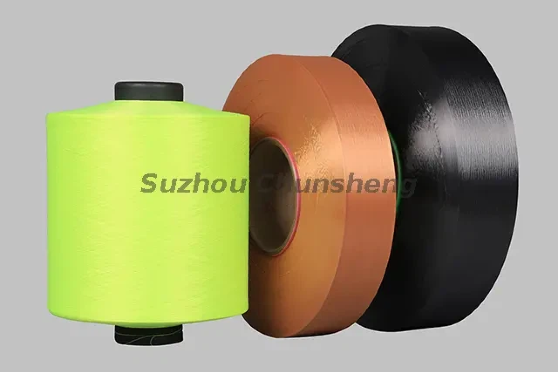
Different projects require different yarn properties, so it’s important to consider the type of item you are crafting. Here are a few project types and the best eco-friendly yarn options:
Garments: For lightweight, breathable garments such as t-shirts, sweaters, or summer dresses, organic cotton, bamboo, or Tencel yarns are excellent choices. These fibers are soft, comfortable, and suitable for wearing close to the skin.
Cold Weather Gear: For warmer items such as scarves, hats, gloves, or blankets, wool from ethical farms or alpaca yarns are ideal due to their insulating properties.
Home Décor: For sturdy home décor items like rugs, baskets, or pillows, hemp and recycled yarns are great options due to their strength and durability.
Accessories: For accessories such as shawls, scarves, and wraps, yarns like bamboo or organic cotton provide a soft, luxurious feel with excellent drape.
One of the joys of crafting is choosing the perfect color for your project. When working with eco-friendly yarn, color options can vary depending on the fiber and dyeing process used. Some eco-friendly yarns come in natural, undyed colors, while others are dyed with plant-based or low-impact dyes.
Undyed Natural Colors: Many eco-friendly yarns, such as those made from organic cotton, hemp, and wool, come in undyed, natural shades like cream, brown, and grey. These yarns are perfect for those who prefer a more rustic or organic look in their projects.
Low-Impact Dyes: For colorful projects, look for eco-friendly yarns dyed with low-impact or plant-based dyes. These dyes use fewer chemicals and less water than conventional synthetic dyes, making them a more sustainable option.
Eco-friendly yarns can be more expensive than conventional yarns, especially those made from organic or specialty fibers. However, the cost is often justified by the environmental benefits, durability, and ethical practices behind these materials.
Budget Considerations: If you’re on a budget, look for recycled yarns or blends that use a mix of eco-friendly and synthetic fibers. These can offer a more affordable option without compromising sustainability.
Availability: Depending on your location, some eco-friendly yarns may be harder to find than traditional synthetic options. However, with the growing demand for sustainable materials, eco-friendly yarns are increasingly available at local yarn shops, online retailers, and craft stores.
Each fiber has a different environmental impact. While all eco-friendly yarns are designed to be better for the environment than conventional yarns, it’s still important to consider how each material is produced:
Cotton: Organic cotton is a great choice for sustainability, as it is grown without pesticides or synthetic fertilizers. However, cotton still requires a significant amount of water to grow.
Bamboo: Bamboo is highly sustainable as it grows quickly and requires little water. However, the chemical process used to convert bamboo into yarn (bamboo viscose) can be environmentally harmful unless done using a closed-loop method.
Recycled fibers: These are often made from post-consumer waste, such as plastic bottles, which helps divert waste from landfills. However, the production process can still involve energy-intensive manufacturing methods.
Wool: Wool from ethical farms is an excellent option for sustainability, but animal agriculture can have a higher environmental impact in terms of land use and methane emissions. Look for certifications such as Responsible Wool Standard (RWS) to ensure the wool is ethically sourced.
Choosing the perfect eco-friendly yarn for your project depends on various factors, including the type of project, fiber preferences, texture, sustainability goals, and budget. With a wide range of eco-friendly yarn options available—from organic cotton and bamboo to recycled fibers and ethically sourced wool—there is a sustainable option for every crafting need.
By understanding the benefits of each fiber type, considering the texture and feel, and being mindful of the environmental impact, you can make informed decisions about your yarn choices. Eco-friendly yarns not only contribute to the creation of beautiful, functional items but also help support sustainable and ethical practices in the crafting world.
As more crafters embrace sustainability, the future of crafting will increasingly rely on eco-friendly materials that minimize environmental harm while still delivering high-quality, beautiful results. Whether you're working on a cozy sweater, a delicate shawl, or a durable home décor item, choosing eco-friendly yarn allows you to create with purpose and contribute to a greener, more sustainable world