
T: +86-512-86871686
P: +86-13814898700
P: +86-13814898700
No.639 Yuanxin Road, Taoyuan Town, Wujiang, Suzhou, Jiangsu, China
Views: 0 Author: Site Editor Publish Time: 2025-12-04 Origin: Site
The crafting world, which includes knitting, crocheting, weaving, and other fiber arts, has experienced a surge in interest in eco-friendly and sustainable materials over the past decade. One such material that has gained significant attention is eco-friendly yarn. As sustainability becomes increasingly important to consumers and artisans alike, the question arises: is eco-friendly yarn the future of sustainable crafting?
In this article, we will explore the rise of eco-friendly yarn, the materials that make it sustainable, and the various benefits it offers to both crafters and the environment. We will also look at the potential challenges that come with using these materials and how they could shape the future of crafting.
Eco-friendly yarn refers to yarns made from sustainable, renewable, and biodegradable materials that are processed in environmentally responsible ways. These yarns are designed to minimize harm to the planet throughout their lifecycle, from production to disposal. The materials used in eco-friendly yarn can vary but often include:
Organic cotton: Grown without the use of synthetic pesticides or fertilizers.
Bamboo: A fast-growing, renewable resource that requires minimal water and chemicals to cultivate.
Recycled fibers: Yarns made from recycled plastic bottles, fabric scraps, or other waste materials.
Wool from ethically raised sheep: Wool sourced from farms that prioritize animal welfare and sustainable farming practices.
Tencel (lyocell): A fabric made from sustainably sourced wood pulp, processed with an environmentally friendly closed-loop method.
Hemp: A durable, low-impact fiber that requires little water and no pesticides to grow.
Eco-friendly yarn is made to appeal to consumers who are increasingly conscious of their environmental footprint and are seeking alternatives to traditional yarns, which are often made from synthetic fibers or unsustainable natural fibers.
The crafting community, especially those involved in knitting and crocheting, has always been a space of creativity and self-expression. However, as global awareness of environmental issues has grown, so too has the crafting community’s interest in sustainable practices. Traditional yarns, particularly those made from synthetic materials like acrylic and nylon, contribute to pollution, waste, and the depletion of natural resources. These yarns are derived from fossil fuels, are non-biodegradable, and take hundreds of years to break down.
In contrast, eco-friendly yarn offers an environmentally responsible alternative. The benefits of using eco-friendly yarn in crafting extend beyond sustainability. Let’s explore why this shift is important and how eco-friendly yarn contributes to the future of sustainable crafting.
The textile industry is known for its environmental impact, particularly in terms of water consumption, pesticide use, and waste generation. By choosing eco-friendly yarn, crafters can reduce their personal environmental footprint. Here’s how:
Lower Water Consumption: Yarns made from organic cotton or hemp, for example, require significantly less water to produce than conventional cotton.
Reduced Pesticide Use: Organic yarns are grown without synthetic pesticides or fertilizers, which helps protect the soil, water, and local ecosystems from harmful chemicals.
Less Waste: Recycled yarns, made from repurposed plastic bottles or textile waste, keep waste materials out of landfills, promoting a circular economy.
By using eco-friendly yarn, crafters are contributing to the broader effort to reduce pollution and waste in the fashion and textile industries.
Many eco-friendly yarns are sourced from farms that prioritize ethical and sustainable farming practices. For example:
Wool from ethical farms: Ethical wool farms ensure the welfare of sheep and focus on humane shearing practices and adequate pastureland. These farms often employ sustainable grazing methods to avoid overgrazing and land degradation.
Bamboo and hemp: These fibers are grown without the use of toxic chemicals, and they require minimal water and land to cultivate. Bamboo, in particular, is often grown organically and is a highly renewable resource.
By using eco-friendly yarns, crafters are also supporting industries that prioritize animal welfare and fair labor practices.
One of the main advantages of eco-friendly yarn is that many of the fibers used are biodegradable. Natural fibers like wool, cotton, bamboo, and hemp can break down over time in a natural environment, unlike synthetic fibers, which persist in landfills for centuries. This biodegradability means that when a crafted item made from eco-friendly yarn eventually reaches the end of its life, it will decompose, reducing waste and environmental harm.
This is particularly important in the context of fast fashion and mass-produced, disposable items. By using biodegradable materials in crafting, artisans are creating items that are more in harmony with nature, contributing to a more sustainable and circular textile industry.
Many eco-friendly yarn companies focus on small-batch production and local manufacturing. This approach has several benefits:
Lower carbon footprint: Local production means less transportation and reduced greenhouse gas emissions associated with shipping materials long distances.
Support for small businesses: By purchasing from companies that prioritize sustainability, crafters are supporting small, independent businesses and local economies.
Transparency: Small-scale operations often offer more transparency regarding their sourcing, production, and environmental practices, allowing consumers to make informed purchasing decisions.
By supporting these smaller, eco-conscious businesses, crafters contribute to a more ethical and sustainable economy.
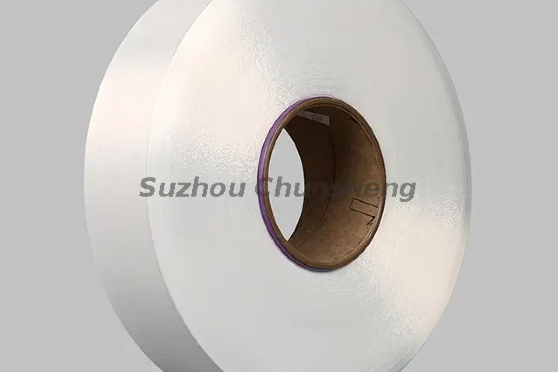
Eco-friendly yarns come in a variety of materials, each offering unique benefits. Here’s a closer look at some of the most popular eco-friendly yarn options:
Organic cotton is grown without synthetic pesticides or fertilizers, making it a more sustainable option than conventional cotton. Organic cotton yarns are soft, breathable, and perfect for lightweight projects like summer garments and baby clothing. These yarns are also hypoallergenic, making them a great option for individuals with sensitive skin.
Bamboo is a fast-growing, renewable resource that requires little water or pesticides. Bamboo yarn is soft, smooth, and has a natural sheen, making it perfect for creating luxurious scarves, shawls, and garments. It is also naturally antibacterial and moisture-wicking, making it a great choice for warmer climates or items that require frequent washing.
Hemp is one of the most sustainable fibers available. It requires minimal water, no pesticides, and little processing. Hemp yarn has a slightly rougher texture than cotton but becomes softer with use. It is incredibly strong and durable, making it ideal for items that need to withstand heavy wear, such as bags, rugs, and home décor items.
Recycled yarn is made from repurposed plastic bottles, fabric scraps, or other waste materials. This type of yarn helps reduce the amount of waste that ends up in landfills and promotes a circular economy. Recycled yarn is available in various fibers, including polyester, nylon, and cotton blends. It’s a great choice for those looking to reduce their environmental impact while still using a versatile material.
Tencel is a fiber made from sustainably sourced wood pulp, processed using an eco-friendly closed-loop method that recycles water and solvents. Tencel yarn is soft, breathable, and biodegradable, making it ideal for creating sustainable garments that are both comfortable and environmentally responsible.
Wool is a natural fiber that is biodegradable and renewable. When sourced from ethical farms, wool is produced with minimal environmental impact. Sheep are raised in humane conditions, and their wool is sheared responsibly. Wool yarns are perfect for cold-weather garments, blankets, and accessories.
While eco-friendly yarn has many benefits, there are some challenges associated with using these materials.
Eco-friendly yarns, particularly those made from organic or ethically sourced fibers, can be more expensive than conventional yarns. The higher production costs of organic cotton, ethical wool, and small-scale production methods can result in a higher price point for consumers.
Not all eco-friendly yarns are as widely available as their conventional counterparts. While there has been an increase in demand for sustainable yarns, it may still be difficult to find certain eco-friendly materials in all markets or craft stores.
Some eco-friendly fibers, such as bamboo or organic cotton, may not be as durable as synthetic alternatives like acrylic or nylon. These fibers can wear out more quickly with frequent use or exposure to moisture, which can limit their long-term viability for some projects.
While eco-friendly yarns are becoming more widely available, they may not yet offer the same variety in terms of color, texture, and blend options as traditional yarns. This could limit the creative choices available to crafters who are seeking specific qualities in their yarn.
Despite the challenges, the future of eco-friendly yarn in crafting looks promising. As more crafters become aware of the environmental impact of their choices, the demand for sustainable materials continues to grow. This shift is being fueled by:
Rising environmental awareness: Consumers are more conscious than ever about the environmental impact of the products they purchase.
Innovations in sustainable fibers: Advances in sustainable fiber production, such as plant-based fibers, recycled plastics, and innovations in biodegradable materials, will continue to make eco-friendly yarns more accessible and affordable.
The rise of ethical and small-scale businesses: Many small-scale businesses are focusing on sustainable yarn production, and as they grow in popularity, more eco-friendly options will become available.
As the crafting world continues to evolve, eco-friendly yarn is expected to play an increasingly prominent role in sustainable crafting practices. For many crafters, using these materials is not just about making a statement—it’s about creating beautiful, meaningful work while contributing to a more sustainable world.
Eco-friendly yarn offers crafters a sustainable alternative to traditional materials, helping reduce environmental impact while creating beautiful, functional items. With the increasing focus on sustainability, eco-friendly yarn is poised to play an important role in the future of crafting. Whether you’re looking for organic cotton, recycled fibers, or ethically sourced wool, eco-friendly yarn offers a wide range of options for every project.
While there are challenges to consider, such as price and limited availability, the benefits of using eco-friendly yarn far outweigh these concerns. The demand for sustainable products is only expected to grow, and the crafting community is leading the way toward a more sustainable future.
As the industry grows and evolves, it is essential to continue supporting eco-friendly initiatives and sustainable production methods. By choosing eco-friendly yarn, crafters are not only making a positive impact on the environment but also contributing to the creation of a more sustainable and ethical crafting community.