
T: +86-512-86871686
P: +86-13814898700
P: +86-13814898700
No.639 Yuanxin Road, Taoyuan Town, Wujiang, Suzhou, Jiangsu, China
Views: 0 Author: Site Editor Publish Time: 2025-11-05 Origin: Site
In the pursuit of sustainability and eco-friendly alternatives, the development of PLA (Polylactic Acid) yarn stands as a promising solution. Often referred to as "corn fiber," PLA is made from renewable resources such as crops or straw, making it a key player in the movement toward biodegradable and environmentally friendly materials. This article explores the benefits, applications, and characteristics of PLA yarn, focusing on its potential to replace conventional synthetic fibers in various industries.
PLA yarn is a biodegradable fiber derived from lactic acid, which is produced through biological fermentation of crops like corn. The polymerization process transforms lactic acid into polylactic acid, which is then spun into fibers using melt spinning technology. This innovative process not only contributes to a cleaner environment by reducing the reliance on fossil fuels but also offers a fiber with unique qualities that set it apart from traditional synthetic materials.
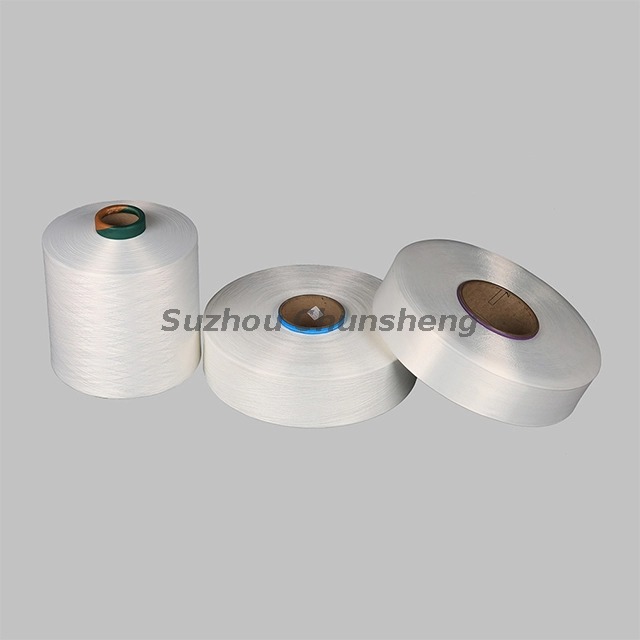
Eco-Friendly: PLA yarn is produced from renewable resources, such as corn, making it a sustainable alternative to petroleum-based fibers. The fiber is biodegradable, meaning it can break down naturally over time, reducing environmental impact.
Biocompatibility and Skin-Friendly: The fabric made from PLA fibers has a weak acidity similar to human skin, which makes it naturally skin-friendly. PLA is known for its antibacterial and anti-mite properties, making it an excellent choice for sensitive skin applications, such as clothing and medical devices.
Moisture Management: PLA yarn has excellent moisture conductivity, which helps keep the fabric dry and comfortable. This property is particularly beneficial in the production of activewear and garments designed for physical activity.
UV Protection: The inherent UV-resistant properties of PLA yarn provide protection against harmful sun rays, making it suitable for outdoor wear and agricultural films.
Drape and Feel: PLA yarn offers a luxurious drape and a smooth, silky texture. This makes it a desirable option for high-quality fabrics, giving garments a rich gloss and aesthetic appeal.
PLA yarn comes in different specifications to suit a wide range of applications. Available in FDY, DTY, and POY types with denier ranges from 50D to 300D, PLA yarn is versatile in both lightweight and heavier fabrics. The fiber can also be customized with various intermingling types, such as LIM, SIM, NIM, and HIM, offering flexibility in textile production.
Furthermore, PLA yarn is available in a variety of finishes, including semi-dull, full dull, BR, and TBR, ensuring that manufacturers can select the right texture and sheen for their products. The yarn can also be twisted in different styles, such as S/Z, to meet specific performance and aesthetic needs.
PLA yarn’s wide array of desirable properties makes it a suitable material for numerous industries, including:
Weaving and Garments: PLA yarn is used in the production of fabrics for clothing, providing a sustainable alternative to conventional synthetic fibers like polyester. The fiber's comfort, antibacterial properties, and moisture-wicking abilities make it an ideal choice for activewear, casual wear, and intimate apparel.
Packaging Materials: PLA yarn is increasingly used in packaging applications, where its biodegradability ensures that packaging materials break down naturally over time, reducing environmental pollution. PLA-based packaging is ideal for food containers and agricultural films, offering an eco-friendly solution to the growing problem of plastic waste.
Medical Devices: PLA fibers are used in the medical field for applications such as sutures and medical packaging. The biocompatibility of PLA makes it a safe and effective material for use in healthcare products.
Agriculture: PLA yarn is used for agricultural covering films, offering a biodegradable alternative to traditional plastic films. These films help protect crops from extreme weather conditions while breaking down naturally after their useful life cycle.
Sustainability: PLA yarn is derived from renewable resources and is completely biodegradable, reducing plastic waste and offering a more sustainable alternative to synthetic fibers.
Performance: PLA yarn offers a high-performance fabric that is not only comfortable but also provides protection from UV rays and moisture, making it suitable for both everyday wear and specialized applications.
Environmental Impact: Unlike traditional plastics, PLA does not release harmful chemicals during degradation, making it a safer option for the environment.
Despite its many advantages, PLA yarn faces some challenges, such as limited availability of raw materials, the need for specialized manufacturing processes, and higher production costs compared to conventional fibers. However, as demand for sustainable materials grows and production technologies improve, these challenges are likely to be overcome.
PLA yarn’s potential for mass adoption in the textile industry, packaging sector, and medical field underscores its role in promoting sustainability. As more companies embrace eco-friendly practices and seek alternatives to petroleum-based materials, PLA yarn is poised to play a significant role in the transformation of various industries.
PLA yarn represents a breakthrough in the search for sustainable, biodegradable materials. Derived from natural crops like corn, it offers a wide range of benefits, including skin-friendliness, moisture management, UV protection, and biodegradability. As industries continue to prioritize environmental responsibility, PLA yarn is set to revolutionize how we approach manufacturing, packaging, and textiles, making it a key player in the movement toward a greener, more sustainable future.