
T: +86-512-86871686
P: +86-13814898700
P: +86-13814898700
No.639 Yuanxin Road, Taoyuan Town, Wujiang, Suzhou, Jiangsu, China
Views: 0 Author: Site Editor Publish Time: 2025-12-31 Origin: Site
The textile industry has undergone significant changes in recent years as the demand for sustainable, eco-friendly products grows. Among the most innovative developments is the rise of environment protection yarns, which play a critical role in the shift toward more sustainable textile production. By incorporating materials like recycled fibers, biodegradable components, and organic cotton, these yarns offer a solution to the environmental challenges posed by traditional yarn production methods. The textile industry is now able to significantly reduce its carbon footprint while contributing to a cleaner, greener planet.
This article will explore the many benefits of environment protection yarns, from their environmental advantages to their applications in various industries. We will also highlight how these yarns meet consumer demand for sustainable products, offering a more responsible approach to textile manufacturing.
Environment protection yarns, also known as eco-friendly yarns, are produced using sustainable materials that reduce the environmental impact of textile production. These yarns are made from raw materials such as recycled fibers, biodegradable fibers, and organic cotton. By using these fibers, manufacturers can reduce waste, conserve natural resources, and create textiles with lower carbon footprints.
There are several types of environment protection yarns commonly used in the textile industry:
Type of Yarn | Materials Used | Environmental Benefit |
Recycled Yarn | Post-consumer plastic bottles, textile waste | Reduces plastic waste, conserves resources, and helps divert materials from landfills. |
Biodegradable Yarn | PLA (Polylactic Acid), plant-based fibers | Decomposes naturally in the environment, leaving little environmental impact. |
Organic Yarn | Organic cotton, wool, hemp, bamboo | Grown without harmful pesticides or fertilizers, contributing to healthier ecosystems. |
Blended Eco-fibers | Combination of recycled, biodegradable, or organic fibers | Combines benefits of various materials to offer a durable, eco-friendly alternative to conventional yarns. |
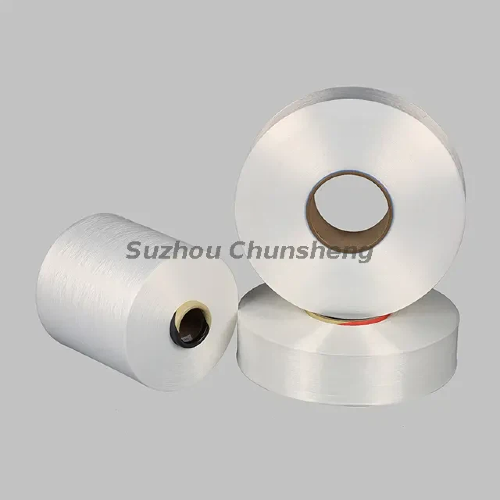
The use of environment protection yarns helps significantly reduce the environmental footprint of textile production. Here's how:
The primary environmental benefit of environment protection yarns is the reduction of waste. Recycled yarns made from post-consumer plastic bottles or textile waste help divert materials from landfills. By repurposing these materials, manufacturers can create new products without relying on virgin materials, reducing both waste and resource consumption.
The production of conventional yarns often involves high energy consumption and carbon emissions, especially when petroleum-based fibers like nylon and polyester are used. Environment protection yarns, such as those made from recycled polyester, use less energy in production and generate fewer carbon emissions. By sourcing raw materials from waste, the carbon footprint associated with yarn production is significantly lowered.
Using organic yarns made from fibers like cotton and hemp helps conserve natural resources. For example, organic cotton requires less water than conventional cotton farming and eliminates the need for harmful pesticides. Additionally, biodegradable yarns, like PLA, are derived from renewable plant sources, reducing the dependency on fossil fuels and promoting sustainable agriculture.
One common misconception about environment protection yarns is that they are less durable than conventional yarns. However, this is not the case. In fact, many eco-friendly yarns are designed to meet or exceed the performance standards required for high-performance textiles.
Environment protection yarns such as recycled polyester are known for their high strength and longevity. Recycled polyester yarns maintain the same properties as virgin polyester, such as tensile strength and abrasion resistance, making them suitable for durable applications like sportswear, activewear, and even outdoor gear. These yarns can withstand wear and tear while remaining durable over time, reducing the need for frequent replacements.
In applications like sportswear and activewear, moisture-wicking and breathability are key factors for comfort. Environment protection yarns made from organic cotton, bamboo, or hemp excel in moisture absorption and allow fabrics to breathe, helping keep the wearer dry and comfortable during physical activities.
Certain eco-friendly yarns, such as wool and PLA, naturally regulate temperature, making them perfect for outdoor gear and performance clothing. For example, wool can trap heat in cold weather while allowing excess moisture to evaporate, keeping the wearer warm and dry. Similarly, PLA yarn has insulating properties, which are ideal for creating garments designed for various weather conditions.
The health benefits of environment protection yarns are becoming increasingly important, especially in the context of consumer safety and comfort.
One significant advantage of using organic yarns is that they are free from harmful chemicals. Conventional yarns, particularly synthetic fibers, are often treated with toxic chemicals such as dyes and finishes that can harm the environment and cause skin irritation. Environment protection yarns made from organic cotton or natural fibers, like wool and bamboo, are free from pesticides and synthetic chemicals, making them safer for consumers, especially those with sensitive skin.
Many eco-friendly yarns are hypoallergenic, making them ideal for people with allergies or sensitive skin. Organic cotton and wool are often used in baby clothing and bedding due to their gentleness and lack of harsh chemicals. Consumers who suffer from allergic reactions to synthetic fibers can benefit from the use of these environment protection yarns, which provide a safer and more comfortable option.
As sustainability becomes more important to consumers, there is a growing demand for environment protection yarns. This demand is not only driven by environmental concerns but also by changing consumer preferences for safer, healthier, and ethically produced products.
Consumers are becoming increasingly aware of the environmental impact of the products they purchase. As a result, many are seeking out brands that offer eco-friendly alternatives, including environment protection yarns. Brands that embrace these materials can tap into a growing market of environmentally-conscious consumers who are willing to pay a premium for sustainable products.
The use of environment protection yarns can significantly enhance a brand’s reputation. Consumers today want to support companies that are committed to sustainability and corporate responsibility. By adopting eco-friendly materials, brands can build customer trust and loyalty while differentiating themselves in a competitive market.
Environment protection yarns are used across various industries, each with its own set of performance requirements. Let’s take a look at how these yarns are applied in different sectors:
Eco-friendly yarns have found widespread use in sustainable fashion. High-performance textiles such as activewear, sportswear, and casual clothing made from environment protection yarns are gaining popularity. These yarns offer the perfect blend of durability, comfort, and sustainability, making them ideal for creating functional yet stylish clothing.
From bedding and towels to upholstery and curtains, environment protection yarns are increasingly being used in home textiles. These materials help create comfortable, sustainable living environments while reducing the environmental impact of textile production.
In industries such as automotive and workwear, environment protection yarns are used in products that require durability and strength. For example, recycled nylon or polyester yarns are used in seat covers, safety uniforms, and industrial fabrics, offering long-lasting performance while maintaining sustainability.
The process of making environment protection yarns begins with sourcing sustainable raw materials. These can include recycled plastics, biodegradable fibers, and organic fibers, each of which plays a critical role in reducing the environmental footprint of yarn production.
Once the raw materials are sourced, the fibers are spun into yarn using conventional or advanced spinning techniques. These yarns undergo various treatments, including dyeing and finishing, which are optimized for sustainability. Low-impact dyeing methods and eco-friendly finishing processes ensure that the environment protection yarns remain true to their sustainable origins.
Quality control is crucial in ensuring that environment protection yarns meet the required performance standards. The yarns are tested for strength, durability, breathability, and other critical attributes before being woven into fabrics.
Process Step | Description |
Sourcing | Raw materials are sourced from sustainable suppliers, focusing on recycled and organic fibers. |
Spinning | Fibers are spun into yarn, maintaining eco-friendly properties while ensuring strength and durability. |
Dyeing and Finishing | Eco-friendly dyeing and finishing techniques are employed to reduce environmental impact. |
Testing | Yarn performance is tested to meet high standards, ensuring durability, strength, and other qualities. |
As the demand for sustainable products continues to rise, the environment protection yarns market is poised for significant growth. Innovations in recycling technology, biodegradable fibers, and sustainable manufacturing processes will make it easier to incorporate these materials into mainstream textile production. The growing focus on circular economies and reducing textile waste will also drive the adoption of eco-friendly yarns across various industries.
Environment protection yarns are essential in driving the textile industry's shift toward sustainability. By incorporating recycled, biodegradable, and organic fibers, the industry can significantly reduce its environmental footprint while addressing the increasing consumer demand for eco-friendly products. These yarns not only help conserve natural resources but also play a vital role in mitigating the impact of textile production on the planet. As technological innovations continue to evolve and sustainability becomes a top priority for consumers, the adoption of environment protection yarns is set to expand, influencing the future of textile manufacturing.
At Suzhou Chunsheng Environmental Protection Fiber Co., Ltd, we are committed to supporting this shift by offering high-quality, eco-friendly yarn solutions. Our sustainable yarns are designed to meet the performance needs of various industries while aligning with environmental goals. Whether you're in fashion, home textiles, or industrial applications, our products offer the perfect balance of functionality and sustainability. If you're looking to make your textile production more environmentally responsible, we invite you to contact us and explore how our solutions can benefit your business. Let's collaborate to create a greener, more sustainable future.
1. What is environment protection yarn?
Environment protection yarn is a sustainable yarn made from materials like recycled fibers, biodegradable fibers, and organic cotton. It is designed to reduce the environmental impact of textile production.
2. How does environment protection yarn reduce environmental impact?
By using recycled materials and biodegradable fibers, environment protection yarn helps reduce plastic waste, conserve resources, and lower carbon emissions in textile production.
3. Is eco-friendly yarn as durable as conventional yarn?
Yes, environment protection yarns are just as durable, if not more, than conventional yarns. They meet the strength and performance requirements of high-performance textiles, making them suitable for a variety of applications.
4. What industries use environment protection yarn?
Environment protection yarns are used across industries such as fashion, home textiles, industrial applications, and medical textiles.
5. Can eco-friendly yarns be used for high-performance textiles?
Yes, eco-friendly yarns are designed to meet the durability, flexibility, and performance standards required in high-performance textiles such as sportswear, outdoor gear, and workwear.