
T: +86-512-86871686
P: +86-13814898700
P: +86-13814898700
No.639 Yuanxin Road, Taoyuan Town, Wujiang, Suzhou, Jiangsu, China
Elastic yarn is a type of textile thread that has the unique property of being able to stretch and return to its original shape. This makes it a versatile material used in a variety of applications, particularly in the fashion and textile industries. Elastic yarn is commonly used to produce fabrics that need to have some form of stretch or flexibility, such as in sportswear, underwear, swimwear, and other garments that require comfort and fit.
In this article, we will explore what elastic yarn is, how it is made, its various types, and the diverse ways it is used in textiles and fashion. Understanding the characteristics and applications of elastic yarn is essential for anyone working in the fabric or fashion industries, or for those who are simply curious about how their clothes are made.
Elastic yarn, as the name suggests, is a type of yarn that has the ability to stretch significantly and then return to its original form when the tension is released. This characteristic is due to the inclusion of elastic fibers in the yarn. These fibers are typically made from synthetic materials, which allow the yarn to stretch and rebound. Elastic yarn is most commonly used to create fabrics that need to stretch and recover without losing their shape.
Unlike regular yarn, which is generally made from natural or synthetic fibers like cotton, wool, or polyester, elastic yarn has a core of elastic material that gives it its stretchability. The elastic material can be rubber or spandex, and in many cases, it is combined with other fibers to provide a balance of stretch and durability.
The production of elastic yarn involves incorporating stretchable materials, such as rubber or spandex, into the yarn-making process. The production process typically begins by blending these elastic fibers with other fibers to create a yarn that combines the properties of both materials.
Elastic Core: The core of elastic yarn is typically made from materials like rubber, spandex (also known as Lycra or elastane), or nylon. These fibers have inherent stretch properties, allowing the yarn to stretch up to several times its original length.
Covering Fibers: Often, the elastic core is wrapped in non-elastic fibers, such as polyester, cotton, or nylon, to provide strength, durability, and a smooth texture to the yarn. These covering fibers help protect the elastic core and also contribute to the overall appearance and feel of the fabric.
Twisting Process: The yarn may be twisted or plied to achieve the desired strength and elasticity. The elasticity of the yarn is determined by the proportion of elastic fibers to non-elastic fibers, as well as the degree of twist applied to the yarn.
Once the yarn is created, it is spun onto spools or bobbins, ready to be woven or knitted into fabrics. The final product can be a lightweight, highly elastic material or a stronger, more durable fabric, depending on the specific combination of fibers used.
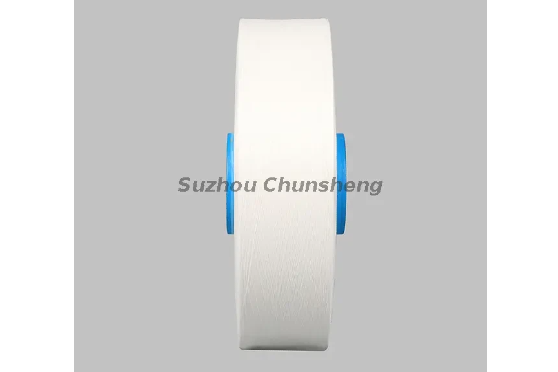
Elastic yarns come in various types, each offering different levels of stretch and recovery. The type of elastic yarn chosen depends on the specific requirements of the fabric or garment being produced.
Spandex is perhaps the most well-known elastic fiber and is used extensively in the production of elastic yarn. It is a synthetic fiber known for its extreme stretchability. Spandex can stretch up to five times its original length without losing its elasticity. This makes it ideal for garments that require a high degree of flexibility, such as leggings, swimwear, and sportswear.
Spandex is often combined with other fibers like polyester or cotton to give the fabric additional strength, comfort, and texture. The amount of spandex used in the yarn determines the stretchiness of the fabric, with higher spandex content resulting in more flexibility.
Rubber yarn is made by incorporating rubber into the core of the yarn. It is one of the earliest forms of elastic yarn and is commonly used in textiles that require a strong, durable stretch. Rubber yarn is less commonly used in clothing today but is still employed in applications such as elastic bands, shoes, and hosiery.
Rubber yarn is usually combined with other materials to add resilience and prevent degradation, as rubber alone can be prone to wear and tear over time. This type of elastic yarn is often used in products where a significant stretch is required, but not necessarily for fashion items that need to maintain a smooth, soft texture.
Elastic polyester yarn combines the stretch properties of spandex or rubber with the durability and strength of polyester. This type of elastic yarn is ideal for applications where the fabric needs to be both stretchable and resistant to wear, such as in activewear, underwear, and sports socks.
Polyester-based elastic yarns are strong, lightweight, and resistant to moisture, making them suitable for a wide range of uses in both fashion and industrial textiles. Polyester also has a high resistance to fading and shrinking, making it an excellent choice for long-lasting, comfortable garments.
Nylon-elastic yarn combines nylon fibers, which are known for their strength and durability, with elastic fibers such as spandex or rubber. This yarn is commonly used in fabrics for athletic wear, swimwear, and hosiery.
Nylon-elastic yarn offers a balance of flexibility, strength, and softness, and it is often used when a smooth, lightweight fabric with a good amount of stretch is required.
Elastic yarn is used in a wide variety of applications, especially in the fashion and textile industries. The ability of elastic yarn to stretch and return to its original shape makes it ideal for creating fabrics that need flexibility, comfort, and a snug fit.
Elastic yarn is commonly used in the production of sportswear and activewear, such as leggings, gym wear, and sports bras. These garments require a high level of stretch and recovery to allow for maximum movement while maintaining their shape. Spandex, in particular, is often used in the fabric blend to provide the necessary stretch without compromising the fabric’s durability.
Swimwear and underwear are two other areas where elastic yarn plays a significant role. These garments need to be form-fitting and flexible, ensuring comfort and ease of movement. The inclusion of spandex or rubber in the fabric helps achieve this stretchability, while the combination of elastic and non-elastic fibers ensures the fabric retains its shape.
Elastic yarn is widely used in hosiery and socks, where it helps the fabric conform to the body while providing a comfortable and secure fit. In socks, elastic yarn helps maintain the sock's shape, preventing it from slipping down the leg or losing its elasticity over time. In hosiery, elastic yarn ensures that tights or stockings remain snug and don’t sag.
In lingerie and shapewear, elastic yarn helps provide a tight, body-hugging fit. The stretchy nature of the yarn allows for garments that shape and support the body while remaining comfortable and flexible. Corsets, waist trainers, and seamless bras often incorporate elastic yarn for the perfect balance of support and comfort.
In addition to fashion, elastic yarn is also used in medical textiles and industrial applications. For example, compression stockings and bandages often incorporate elastic yarn to provide the necessary pressure and support. Similarly, industrial textiles that require flexibility, such as stretchable ropes or elastic seals, also make use of elastic yarn.
Elastic yarn offers several benefits that make it a popular choice in textiles. The key advantages include:
Stretchability: Elastic yarn can stretch to several times its original length and return to its original form, making it ideal for creating stretchy fabrics.
Comfort: The flexibility of elastic yarn ensures that garments fit comfortably and allow for maximum freedom of movement.
Durability: The inclusion of elastic fibers makes fabrics more resilient, meaning they maintain their shape and functionality over time.
Versatility: Elastic yarn can be used in a wide range of applications, from fashion and activewear to medical textiles and industrial products.
Elastic yarn is a unique and highly versatile material that plays a crucial role in the production of textiles that require stretch, comfort, and durability. From activewear and lingerie to medical and industrial applications, elastic yarn is used in a variety of fabrics that need to maintain their shape while offering flexibility and support. With its ability to stretch and recover, elastic yarn has become an essential component in modern textiles, making it an indispensable part of the fashion and textile industries.