
T: +86-512-86871686
P: +86-13814898700
P: +86-13814898700
No.639 Yuanxin Road, Taoyuan Town, Wujiang, Suzhou, Jiangsu, China
Views: 0 Author: Site Editor Publish Time: 2026-06-05 Origin: Site
Textile manufacturers face a constant challenge in today's highly competitive market. You must protect your profit margins while simultaneously satisfying intense consumer demand for high-performance apparel. Buyers now expect standard garments to resist microbes, block harmful UV rays, and wick moisture seamlessly. Upgrading a Bill of Materials (BOM) from standard commodity yarn to advanced materials introduces a noticeable price premium. This unavoidable markup complicates unit economics and disrupts established pricing strategies across your entire product line. Navigating this cost difference effectively separates profitable, forward-thinking brands from struggling ones. This article provides a transparent breakdown of the exact cost delta between specialized and regular yarns. You will discover what precisely drives these premiums and how to accurately calculate the true cost per finished item. We will equip sourcing managers and product developers with the critical insights needed. Ultimately, you will learn how to make mathematically sound, ROI-driven procurement decisions for your next production run.
Functional yarn typically carries a base price premium of 15% to 50%+ over regular yarn, depending on the specific additive, manufacturing process, and compliance requirements.
The upfront price difference is driven by specialized raw materials, complex extrusion or coating processes, and mandatory third-party lab testing.
When evaluating cost, buyers must calculate the "cost per finished item" rather than just the "cost per kilogram," factoring in the potential for higher retail margins.
Selecting cheaper, unverified functional yarns introduces severe implementation risks, including wash-fastness failures and false advertising compliance liabilities.
To understand the price gap properly, we must first establish a reliable baseline. Standard commodity yarns dictate everyday market pricing across the global textile industry. Think of regular cotton, standard polyester, and basic acrylic materials. These raw materials benefit from massive global scale and highly optimized supply chains. Their prices fluctuate slightly based on agricultural yields and petroleum indexes. However, they remain relatively low and highly predictable year over year.
When you transition your production to a specialized FUNCTIONAL YARN, expect a clear percentage increase. Basic moisture-wicking properties might add a modest 15% to 20% premium over the baseline. If your project requires complex inherent flame-retardant traits, the price jumps much higher. Permanent antimicrobial properties can demand a 30% to 50% premium over the standard baseline. These exact figures will vary based on regional supply chain constraints and seasonal demand spikes.
Minimum Order Quantities (MOQs) also disproportionately affect this initial price difference. Readily available regular yarn requires minimal setup time at the factory level. Conversely, bespoke functional runs demand significantly higher MOQs. Factories must carefully amortize their setup and cleaning costs across much larger batches. If you attempt to order below the factory's optimal volume, the per-kilogram premium spikes aggressively. Securing the best pricing requires accurate volume forecasting.
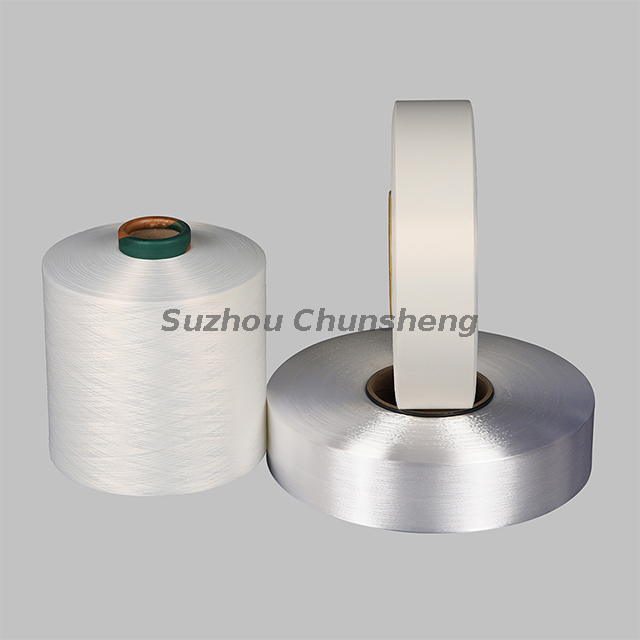
Buyers often question why the performance premium is so substantial. The answer lies deep inside the specialized manufacturing ecosystem. It begins directly with the specialized raw materials. Manufacturers must use expensive masterbatch additives to embed specific functional properties into the fiber. Adding active silver ions, copper compounds, or ceramic nanoparticles costs significantly more than standard color dyes. These advanced additives are highly engineered specialty chemicals, not basic commodities.
Next, we must look closely at manufacturing complexity. Traditional yarn spinning is straightforward, fast, and highly optimized for volume. In contrast, specialized processing requires far more energy, precision, and time. Advanced methods like dope dyeing or bicomponent extrusion slow down production lines significantly. Post-spinning chemical treatments add entirely new stages to the manufacturing workflow. Specialized extrusion heads often require frequent, meticulous cleaning. This mandatory downtime translates directly into higher factory overhead costs.
Finally, consider the strict quality assurance and testing overhead. These represent the hidden costs of verified performance. You simply cannot sell a product claiming UV protection without definitive proof. Validated functional claims require rigorous, recurring lab testing protocols. Suppliers must consistently meet strict AATCC, ISO, or ASTM global standards. They pay independent laboratories thousands of dollars to ensure performance metrics hold up under scrutiny. Regular yarn completely bypasses this expensive, time-consuming validation step.
Advanced Additives: Integration of high-cost metals and minerals like silver, copper, or zinc.
Increased Energy: Extended extrusion, curing, and drying times during production.
Performance Validation: Expensive third-party lab certifications and ongoing compliance audits.
Operational Downtime: Extensive line cleaning required between customized production batches.
Sourcing teams often panic when they initially see a 30% increase in raw material costs. However, evaluating purely by the kilogram is a strategic mistake. You must shift your focus to the BOM impact versus the retail markup. A 30% increase in yarn cost might only raise the total manufactured cost per item by twenty cents. Meanwhile, the verified functional claim allows for a significantly higher premium in final retail pricing. Consumers will happily pay ten extra dollars for an athletic shirt that permanently eliminates odor.
We also need to carefully compare inherent versus treated ROI. Inherent properties are embedded directly into the polymer during extrusion. They require a higher upfront financial investment but offer permanent, wash-resistant durability. Topically treated regular yarn costs less initially at the factory. However, the functionality degrades rapidly after repeated laundering. This rapid degradation introduces severe brand reputation risks. Savvy apparel brands invest in inherent solutions to secure long-term customer loyalty.
Supply chain consolidation offers another compelling financial advantage. Buying pre-engineered materials eliminates secondary processing steps downstream. You can often skip complex piece-goods chemical finishing at the dye house entirely. This reduction in manual labor, hazardous chemical handling, and transit time frequently offsets the initial material premium. Your production cycle becomes faster, leaner, and more environmentally friendly.
| Material Type | Yarn Cost per KG | Cost per Garment (0.2 KG) | Retail Price Potential | Estimated Profit Margin |
|---|---|---|---|---|
| Standard Polyester | $2.00 | $0.40 | $15.00 | Standard |
| Premium FUNCTIONAL YARN | $3.00 | $0.60 | $25.00 | High |
Notice how a one-dollar increase in bulk raw material only adds twenty cents to the individual garment. Yet, it effectively unlocks a ten-dollar premium at the retail level.
Procurement teams occasionally try to cheat the system by sourcing budget-tier alternatives. This short-sighted strategy almost always backfires spectacularly. The most common and damaging pitfall is the wash-fastness failure. Low-tier materials often lose their marketed properties after just 10 to 20 industrial washes. When consumers realize the garment no longer performs as advertised, they leave devastating negative reviews. High return rates and permanent brand damage will quickly eclipse any initial sourcing savings.
Inconsistent dye lots and severe yield loss pose another major manufacturing threat. Poor-quality functional additives frequently interfere with standard dye uptake processes. This chemical interference results in uneven coloration, striping, or blotching across the fabric. Manufacturers end up rejecting entire rolls of ruined fabric. Increased fabric waste drives up the overall manufacturing costs dramatically. The supposed budget price tag vanishes entirely on the cutting room floor.
Lastly, consider the severe compliance and legal liabilities involved. Regulatory bodies now heavily scrutinize textile performance claims. Using cheaper materials that fail to meet safety standards is exceptionally dangerous. You risk violating restricted substance lists or publishing dangerously false UPF ratings. Class-action lawsuits for false advertising are incredibly expensive and notoriously difficult to defend. Credible suppliers absorb the cost of compliance by engineering the fiber correctly the first time.
Choosing the right manufacturing partner requires rigorous due diligence. You must demand strict verification of all performance claims upfront. Request independent, third-party lab test reports for every single functional trait. Never accept internal factory data or marketing brochures alone. Unbiased validation protects your brand from false advertising claims down the line. A trustworthy partner will readily provide recent certification documents.
Next, scrutinize the supplier's durability guarantees closely. Ask them for specific, quantified data on performance retention over time. Look for clear, legally binding statements regarding standard wash cycles. A good benchmark is a claim like "maintains 99% antimicrobial efficacy after 50 home washes." If the supplier dodges this question or uses vague terminology, look elsewhere immediately.
Evaluate the factory's sampling and prototyping policies carefully. They should willingly provide small-batch samples for your development team. You need these physical samples for in-house knitting, dyeing, and finishing tests. Committing to massive bulk production without a successful pilot run is highly reckless. Good suppliers understand the necessity of R&D testing phases.
Finally, investigate the absolute transparency of the manufacturing process. Determine whether the supplier produces the functional masterbatch in-house or outsources it entirely. In-house production generally ensures much better chemical traceability. It also insulates your supply chain from sudden price shocks in the secondary additive market. Total vertical integration usually indicates a highly capable, reliable supplier.
Demand accredited third-party test reports for every marketed feature.
Request strict, documented 50+ wash durability guarantees.
Run a comprehensive small-batch sampling test before bulk ordering.
Audit the supplier's internal masterbatch production capabilities and raw material sourcing.
The financial data presents a very clear summary judgment. Advanced performance yarns carry an undeniable upfront premium compared to standard commodities. However, this cost difference is easily justified by the immense value-add in end-product performance. As long as you rigorously verify the quality and durability, the return on investment remains strongly positive. You gain the unique ability to command higher retail prices and secure stronger customer loyalty in a crowded market.
Your next steps as a buyer are straightforward and highly actionable. First, map out your target retail price point based on realistic consumer expectations. Second, calculate your acceptable raw material threshold using a strict per-garment metric. Finally, reach out to fully vetted yarn manufacturers today. Request their technical specification sheets and independent lab test reports. Initiate a small pilot run to validate both the knitting performance and the finished garment's market appeal.
A: Generally no. You can use standard commercial knitting and weaving machinery. However, you may need to subtly adjust tension settings and machine speeds. These minor tweaks depend entirely on the specific chemical composition and elasticity of the chosen fiber. Always run a small test batch to calibrate your equipment properly before starting full-scale bulk production.
A: Inherent materials embed the active additive directly inside the fiber during the high-heat extrusion process. This means they last for the entire usable life of the garment. In contrast, topically treated regular fabrics rely on external chemical coatings. These temporary coatings typically degrade or wash out entirely after 20 to 30 standard laundry cycles.
A: Factories must thoroughly clean their specialized extrusion lines to prevent chemical cross-contamination. For example, switching from standard polyester to a silver-infused blend requires extensive, costly downtime. To make these complex production runs economically viable and absorb the setup overhead, manufacturers must mandate larger Minimum Order Quantities from buyers.