
T: +86-512-86871686
P: +86-13814898700
P: +86-13814898700
No.639 Yuanxin Road, Taoyuan Town, Wujiang, Suzhou, Jiangsu, China
Views: 0 Author: Site Editor Publish Time: 2025-10-30 Origin: Site
When it comes to sewing, knitting, or crocheting, choosing the right type of thread or yarn for your project is crucial. Among the many types of threads and yarns available, elastic thread and elastic yarn are two options that often confuse people. Both types of materials serve the purpose of adding stretch and flexibility to fabrics, but they are used differently, have distinct characteristics, and are suitable for different kinds of projects.
In this article, we will explore the key differences between elastic thread and elastic yarn, including their properties, uses, and the advantages of each. Understanding the distinctions will help you make more informed decisions when selecting the right material for your creative projects, whether you’re working on garments, home décor, or craft items.
Elastic thread is a type of thread made from highly elastic fibers, such as rubber or spandex, which allow it to stretch significantly and return to its original length once the tension is released. It is typically thin and flexible, designed to provide stretch to specific areas of a project. Elastic thread is often used for creating gathers, shirring, and stretchable seams in garments and accessories.
Elastic thread comes in various thicknesses and is usually sold in small spools. It can be easily incorporated into sewing projects, especially for delicate and precise tasks where flexibility is needed.
Thin and Lightweight: Elastic thread is usually finer than regular thread and is ideal for projects that require subtle stretch without adding bulk.
Highly Stretchable: This thread can stretch up to several times its original length and return to its normal size once the tension is released.
Elastic Fibers: Made from rubber, spandex, or similar elastic materials, it offers superior stretchability compared to regular sewing threads.
Used for Specialty Projects: Elastic thread is often used in gathering, shaping, and creating stretchy hems in garments, particularly in lingerie, activewear, and blouses.
Shirring: Shirring is a technique where elastic thread is used to gather fabric tightly. This creates a ruched or gathered effect that is popular in dresses, skirts, and blouses.
Stretch Seams: Elastic thread is frequently used to add stretch to seams in clothing such as athletic wear, swimwear, and underwear.
Creating Ruching: Elastic thread is ideal for creating gathers on lightweight fabrics like cotton, silk, or satin without adding the bulk that other threads might cause.
Elastic yarn is a type of yarn made by blending elastic fibers, such as spandex, Lycra, or rubber, with other non-elastic fibers like cotton, polyester, or nylon. This combination creates a yarn that has both the properties of regular yarn and the stretchability of elastic fibers. Elastic yarn is thicker than elastic thread and is designed for knitting or crocheting larger, stretchier fabrics, making it ideal for garments that need more substantial elasticity, such as activewear, swimwear, and leggings.
Elastic yarn provides not only stretch but also durability, making it perfect for projects where both elasticity and strength are required. It is often used for making garments that need to fit snugly, as well as for home décor projects where stretchable fabrics are needed.
Thicker than Elastic Thread: Elastic yarn is generally thicker and more substantial, making it suitable for knitting or crocheting larger pieces like garments or home décor items.
Blended with Non-Elastic Fibers: Elastic yarn usually consists of a mix of elastic fibers (such as spandex or Lycra) and non-elastic fibers like polyester or cotton, which provide added durability and texture.
Durable and Long-Lasting: Unlike thread, which is often used for delicate stitching, elastic yarn is made for more rugged use, and it can withstand the wear and tear of everyday activities.
Ideal for Stretch Fabrics: Elastic yarn is best used in projects where flexibility, stretch, and recovery are needed, such as in athletic wear, knitted socks, and stretchy scarves.
Knitting and Crocheting: Elastic yarn is commonly used in knitting or crocheting projects that require stretch, such as fitness apparel, swimwear, and fitted garments.
Elastic Garments: It is often used for garments that need to be form-fitting, such as leggings, bikinis, bras, and t-shirts.
Home Décor: Elastic yarn is also used for creating stretchy home items, like throw blankets, pillows, and tablecloths, where flexibility and texture are essential.
Socks: Many knitted or crocheted socks benefit from the stretch provided by elastic yarn to ensure a snug fit without sagging.
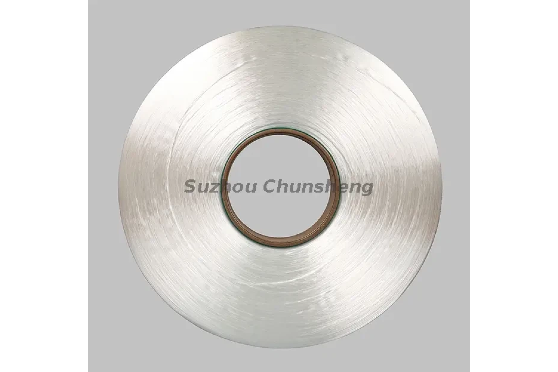
Although both elastic thread and elastic yarn share the characteristic of stretchability, they are used in different types of projects and have distinct characteristics. Below is a comparison of the key differences between the two:
Elastic Thread: Typically thinner and finer, designed for delicate work like gathering and adding stretch to seams. It is strong enough for sewing but not intended for heavy-duty projects.
Elastic Yarn: Thicker and stronger than elastic thread, designed for use in knitting or crocheting. Elastic yarn is made to withstand the physical stress of movement and stretching over large areas.
Elastic Thread: Mostly used for sewing purposes, especially for tasks like shirring, gathering, and creating stretchy hems. It is ideal for projects requiring fine, subtle stretch.
Elastic Yarn: Used in knitting and crocheting projects where stretch is needed in larger pieces of fabric. It is perfect for creating garments, activewear, swimwear, and other items that require substantial elasticity.
Elastic Thread: While elastic thread is stretchy, it is designed for smaller areas or more delicate applications. It is not typically used to create large, stretchy fabrics but to add small amounts of elasticity to specific sections of a project.
Elastic Yarn: Elastic yarn is designed to provide significant stretch and recovery in knitted or crocheted fabrics. It can stretch much more and is often used in larger quantities to make entire garments or projects with built-in elasticity.
Elastic Thread: Generally more fragile than elastic yarn. It’s ideal for sewing lightweight fabrics or making minor adjustments to existing garments, but it may not hold up as well in projects that require heavy-duty stretching.
Elastic Yarn: More durable and designed for long-term wear. Since it is used in large fabric pieces, such as clothing, it is made to withstand the rigors of wear and movement without losing its elasticity.
Elastic Thread: Sewn into fabric by hand or machine. It is often incorporated into the seam or gathered sections of a garment. It is typically not visible on the surface but is essential for creating form-fitting or stretchy designs.
Elastic Yarn: Woven, knitted, or crocheted directly into the fabric. Elastic yarn is visible in the finished product and is usually a key component of the fabric structure.
When deciding whether to use elastic thread or elastic yarn for a project, it’s important to consider the following factors:
If you are sewing a garment or accessory and need to add stretch to specific areas, elastic thread is the right choice.
If you are knitting or crocheting a garment that requires substantial stretch throughout the fabric, elastic yarn is a better option.
For small amounts of stretch in seams, hems, or gathers, elastic thread provides the needed flexibility.
For larger stretches, such as in leggings, sports bras, and swimwear, elastic yarn is the ideal choice due to its strength and recovery.
Elastic thread is more suitable for projects that require subtle stretch and minimal wear.
Elastic yarn is designed to withstand heavy use and provide more comfort, making it perfect for items like activewear and underwear.
While both elastic thread and elastic yarn offer the benefit of stretch, they serve different purposes in the world of textiles. Elastic thread is perfect for adding stretch to small areas in sewing projects like gathering and shirring. On the other hand, elastic yarn is ideal for knitting and crocheting larger, more durable fabrics that need significant stretch and recovery, such as in activewear and garments.
Understanding these differences will help you choose the right material for your next project, ensuring that your creations have the stretch and fit you desire. Whether you're sewing a stretchy hem or knitting a form-fitting sweater, knowing when to use elastic thread versus elastic yarn will allow you to create projects with the perfect balance of stretch, durability, and comfort.