
T: +86-512-86871686
P: +86-13814898700
P: +86-13814898700
No.639 Yuanxin Road, Taoyuan Town, Wujiang, Suzhou, Jiangsu, China
Views: 0 Author: Site Editor Publish Time: 2026-07-17 Origin: Site
Regulatory and consumer pressures are forcing the textile industry to abandon virgin petroleum-based synthetics like polyethylene terephthalate (PET). Procurement and material science teams face a massive challenge. They must find bio-based alternatives that meet strict performance, scalability, and quality criteria without compromising sustainability mandates. Finding a drop-in replacement that works on existing machinery is difficult. Material failures and supply chain bottlenecks often derail green initiatives. Polylactic Acid offers a mature, commercially viable solution to this material crisis. PLA Yarn delivers an objective balance of mechanical properties, processing realities, and manageable end-of-life environmental impacts. It bridges the gap between ecological responsibility and industrial performance. We will analyze how this material compares to conventional synthetics, how it behaves during manufacturing, and how to navigate its end-of-life realities effectively.
PLA yarn offers near-parity with conventional PET in tensile strength and moisture management, making it a highly viable drop-in replacement for many apparel and industrial applications.
While marketed as biodegradable, PLA requires specific industrial composting conditions to break down, necessitating transparent end-of-life supply chain planning.
Blending PLA with natural fibers (like wool or cotton) can significantly reduce raw material costs while maintaining high-quality textile performance and hand-feel.
Adoption requires minor manufacturing adjustments, particularly in dyeing and heat-setting, due to PLA’s lower melting point compared to traditional polyesters.
A viable synthetic replacement must meet strict success criteria. It needs high tensile strength, manufacturing scalability, verifiable bio-based origins, and process compatibility. Material scientists cannot accept compromises in structural integrity. The transition requires a polymer that mimics PET behavior on the factory floor while delivering a superior environmental profile. We evaluate these materials based on how they perform under tension, how they handle heat, and how they integrate into existing supply chains.
Polylactic acid originates from renewable agricultural resources. Manufacturers extract starch from crops like corn, sugarcane, or cassava. Fermentation converts this starch into lactic acid, which is then polymerized into PLA. This agricultural origin directly replaces the petrochemical extraction required for virgin PET. The supply chain shifts from oil rigs to agricultural fields, fundamentally altering the raw material sourcing strategy.
The cradle-to-gate carbon emissions for PLA production are substantially lower than those for conventional polyester. Processing renewable feedstocks sequesters carbon during the plant growth phase. This offsets a significant portion of the energy used during polymerization and extrusion. Facilities utilizing renewable energy during the fermentation and polymerization stages further widen the carbon footprint gap between PLA and petroleum-based plastics. We see a measurable reduction in greenhouse gas outputs when auditing these facilities.
Transforming PLA polymer chips into continuous filament or staple fibers relies on melt spinning. Extruders heat the polymer chips until they melt. The liquid polymer forces its way through spinnerets to form fine continuous filaments. Cooling air solidifies these filaments before they are wound onto bobbins. The process requires precise temperature control to prevent polymer degradation.
Compatibility with existing mechanical spinning and texturizing machinery is a major advantage. Factories designed for conventional polyester can process PLA with minimal retooling. Technicians must adjust extrusion temperatures because PLA melts at a lower threshold than PET. Once calibration is complete, the drawing, crimping, and texturizing stages proceed using standard equipment. This seamless integration allows manufacturers to scale production without massive capital expenditures on new machinery.
Dry the PLA chips thoroughly to a moisture content below 50 ppm to prevent hydrolysis during melting.
Set extruder zone temperatures between 210°C and 230°C, depending on the specific polymer grade.
Adjust the quench air flow to ensure rapid and uniform cooling of the extruded filaments.
Modify the draw ratio to optimize the orientation of the polymer chains, enhancing tensile strength.
Calibrate the winding tension to prevent package deformation during storage and transport.
Engineers evaluate tensile strength, elasticity, and UV resistance when qualifying new fibers. PLA exhibits a tensile profile remarkably close to standard synthetics. It provides sufficient tenacity for most apparel and light industrial uses. Its elasticity allows for excellent fabric recovery, preventing bagging and sagging in knitwear. We test these properties rigorously in the lab before approving any material for production.
PLA shows strong resistance to ultraviolet light degradation. Fabrics retain their structural integrity and color after prolonged sun exposure. However, PLA falls short in ultra-high abrasion environments. Heavy-duty industrial webbing or extreme outdoor gear requiring massive friction resistance still rely on nylon or specialized PET. For everyday apparel, activewear, and interior textiles, the mechanical profile is an exact match.
| Property | PLA Yarn | Conventional PET |
|---|---|---|
| Tensile Strength (g/den) | 4.0 - 5.5 | 4.5 - 6.0 |
| Melting Point (°C) | 160 - 170 | 250 - 260 |
| Moisture Regain (%) | 0.4 - 0.6 | 0.2 - 0.4 |
| UV Resistance | Excellent | Good |
Mapping the inherent chemical properties of PLA to tangible benefits is necessary for product development. The molecular structure of this polymer dictates how it interacts with moisture, heat, and human skin. These characteristics translate directly into performance advantages for end-users. We design textiles by leveraging these specific material behaviors.
PLA exhibits natural hydrophilicity compared to the hydrophobic nature of PET. The polymer structure allows for superior capillary action. Moisture travels rapidly along the fiber surface rather than absorbing into the core. This mechanism pulls sweat away from the skin and disperses it across a wider surface area for rapid evaporation. We utilize this property extensively in athletic wear design.
This translates to exceptional breathability in activewear. Garments dry faster and maintain thermal comfort during intense physical exertion. Furthermore, PLA demonstrates low odor retention. Unlike conventional polyester, which traps odor-causing compounds, PLA fibers release these compounds easily during standard washing cycles. This keeps athletic wear smelling fresh over a longer lifespan.
Biocompatibility makes PLA highly suitable for medical, hygienic, and intimate apparel. The fiber exhibits low allergenicity. It does not irritate sensitive skin. Its natural resistance to microbial growth prevents the proliferation of bacteria and fungi, adding a layer of hygienic protection for next-to-skin applications. We specify this material for hospital linens and surgical gowns for these exact reasons.
Safety profiles also benefit from inherent flame retardancy. PLA possesses a high Limiting Oxygen Index (LOI) of approximately 26%. Conventional PET hovers around 21%. A higher LOI means the fiber requires more oxygen to sustain combustion. When exposed to flame, PLA burns slowly and generates very little smoke. This low smoke generation profile is highly valued in home textiles, drapery, and aviation interiors.
Blending PLA with natural fibers like wool, cotton, or viscose unlocks significant technical and commercial advantages. The mechanical process of blending occurs during the staple fiber spinning phase. Carding machines mix the different fibers to create a uniform sliver before drafting and spinning. We monitor the blend ratio closely to ensure consistent yarn quality.
PLA-wool blends are particularly effective. The PLA component provides structural recovery and durability. The wool provides thermal insulation and a premium hand-feel. This strategy maintains high-quality textile performance while reducing reliance on expensive, high-grade animal fibers. Manufacturers achieve a luxurious finish while optimizing raw material expenditures.
Dyeing PLA requires disperse dyes, similar to conventional polyester. However, the dye uptake process is more energy-efficient. Disperse dyes penetrate the PLA fiber matrix at lower temperatures. Standard PET requires pressurized dyeing vessels operating at 130°C. PLA achieves optimal dye exhaustion at approximately 110°C. We adjust our dye house protocols to accommodate this lower temperature requirement.
This lower temperature requirement saves massive amounts of thermal energy during production. Color yield is excellent, producing vibrant and deep shades. Wash fastness meets industry standards, ensuring garments retain their color after repeated laundering. The reduced energy demand during the dyeing phase further strengthens the environmental credentials of this sustainable textile yarn.
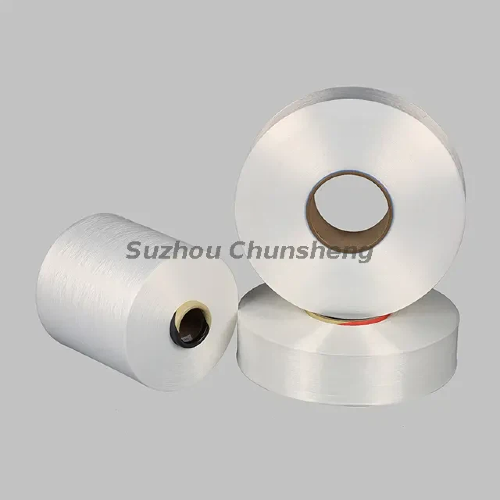
Addressing industry greenwashing requires strict definitions. The limitations and realities of PLA’s biodegradability must be transparent. Misleading claims damage brand credibility and confuse consumers regarding proper disposal methods. We demand clear end-of-life documentation from all our material suppliers.
PLA yarn is not marine-biodegradable. It will not easily degrade in backyard home compost bins. Dropping a PLA garment into a forest or ocean will result in persistence similar to conventional plastics. The term "biodegradable" is technically true but practically misleading without context. We must educate the market on these distinctions.
Complete degradation requires specific industrial composting conditions. Facilities must maintain temperatures above 58°C. They require high relative humidity and a specific microbial presence. Under these controlled parameters, the polymer chains break down into water, carbon dioxide, and organic biomass within a few weeks. Without these conditions, the material remains intact.
Verifying PLA product claims requires adherence to international standards. Certifications protect brands from greenwashing accusations and ensure compliance with environmental regulations. We audit our supply chain against these specific frameworks.
EN 13432: The European standard for packaging recoverable through composting and biodegradation.
ASTM D6400: The American standard specification for labeling of plastics designed to be aerobically composted in municipal or industrial facilities.
ISO 14855: Determination of the ultimate aerobic biodegradability of plastic materials under controlled composting conditions.
Downstream market confidence also relies on biological safety clearances. OEKO-TEX Standard 100 certification ensures the yarn is free from harmful substances. FDA GRAS (Generally Recognized As Safe) status confirms the polymer's safety, particularly important for medical textiles or food-contact applications.
The current state of municipal and industrial composting infrastructure is fragmented. Many regions lack facilities capable of processing bioplastics. Sorting facilities often reject PLA because it looks identical to PET, contaminating traditional recycling streams. We work with waste management partners to improve sorting technologies.
Brands must responsibly market PLA products. Clear communication about end-of-life disposal is mandatory. Take-back programs offer a reliable framework. Brands collect used garments and route them directly to partnered industrial composting facilities. This closed-loop approach guarantees the material reaches the specific environment required for degradation.
Procurement teams need a clear decision framework. Positioning PLA against other leading sustainable options helps narrow down choices based on specific product requirements. No single fiber solves every problem. We evaluate each material based on its specific application and lifecycle impact.
Recycled polyester utilizes existing plastic waste, typically water bottles. It offers a closed-loop potential for petroleum-based plastics. However, rPET relies on a finite supply of recyclable waste and does not address the root problem of petroleum extraction. We use rPET when bio-based options are unavailable.
PLA provides a bio-based, renewable feedstock advantage. It introduces new material into the system without tapping fossil reserves. The microplastic shedding issue also differentiates the two. All synthetic fibers shed microfibers during washing. Persistent rPET microplastics accumulate in oceans and soil. PLA microfibers degrade faster and differently under correct environmental pressures, posing less long-term ecological risk.
Polyhydroxyalkanoates (PHA) represent an emerging alternative. PHA is genuinely marine biodegradable. However, it is technically challenging to scale and difficult to process on standard textile machinery. PHA remains a material for the future, while PLA is ready for immediate deployment. We monitor PHA developments closely but rely on PLA for current production.
Compared to organic cotton and hemp, PLA offers superior mechanical consistency. Natural fibers suffer from crop variations, weather dependencies, and inconsistent staple lengths. PLA provides continuous filament options and exact denier control. It delivers synthetic durability that natural fibers struggle to match in high-performance applications.
| Fiber Type | Feedstock | Biodegradability | Manufacturing Scalability |
|---|---|---|---|
| PLA Yarn | Renewable (Corn, Sugarcane) | Industrial Composting Only | High (Drop-in replacement) |
| rPET | Recycled Petroleum Waste | None (Persistent) | High |
| PHA | Bacterial Fermentation | Marine & Soil Biodegradable | Low (Currently scaling) |
| Organic Cotton | Agricultural Plant | Home & Soil Compostable | Medium (Yield dependent) |
Adopting new materials introduces practical friction points. Manufacturers will face specific challenges on the factory floor and within the supply chain. Anticipating these risks allows for smooth implementation. We document every processing failure to refine our standard operating procedures.
Thermal limitations are the primary engineering constraint. PLA has a lower melting point (approximately 160-170°C) compared to PET (approximately 250-260°C). This sensitivity impacts downstream processing. We must adjust our equipment to prevent material damage.
Mitigation strategies are required for heat-setting, ironing, and high-temperature laundering. Stenter frames must be recalibrated to lower temperatures to prevent fabric shrinkage or melting. Garment care labels must explicitly warn against high-heat ironing. Industrial laundering processes used in hospitality or healthcare often exceed PLA's thermal tolerance, making it unsuitable for those specific sectors.
Global production capacity for textile-grade PLA is expanding rapidly. Geographic hubs of manufacturing are centered near large agricultural zones capable of supplying the necessary starch feedstocks. However, capacity still lags behind conventional polyester. We map our supply chain to identify potential bottlenecks.
Price volatility is tied to agricultural yields rather than petroleum market fluctuations. Droughts or poor harvests can impact feedstock availability. Evaluating the commercial feasibility of long-term sourcing contracts with global suppliers is critical. Locking in volume agreements mitigates supply chain instability and protects margins against sudden agricultural price spikes.
You must audit your supplier's capacity to deliver consistent polymer grades. Variations in the lactic acid isomers can drastically alter the melting point and strength of the final yarn. Strict quality control protocols at the resin intake stage prevent costly manufacturing defects. We reject any batch that fails our thermal analysis tests.
Procurement teams must also assess the geographic proximity of polymer production to spinning facilities. Minimizing transportation distances reduces the overall carbon footprint and improves supply chain resilience. Diversifying suppliers across different agricultural regions hedges against localized crop failures.
Facility managers should conduct pilot runs before committing to full-scale production. Testing the yarn tension on knitting machines and optimizing the dye bath temperatures prevents large-scale material waste. Documenting these adjusted parameters creates a standardized operating procedure for future production runs.
Request material safety data sheets (MSDS) from potential suppliers to verify polymer grades and thermal properties.
Order sample spools to conduct pilot dye testing and calibrate your stenter frames for lower heat-setting temperatures.
Audit and verify all supplier certifications, specifically looking for DIN CERTCO, BPI, and OEKO-TEX documentation.
Establish a take-back program or partner with regional industrial composting facilities to ensure responsible end-of-life disposal.
A: No. It requires specific industrial composting facilities with temperatures above 58°C, high humidity, and specific microbes to break down. It does not degrade quickly in oceans, forests, or standard backyard soil.
A: It currently carries a price premium over virgin petroleum-based polyester due to smaller production scales. Blending it with expensive natural fibers like wool can offset these costs and optimize overall material expenditures.
A: Yes. It is highly compatible with standard knitting, weaving, and spinning machines. Technicians only need to adjust temperature settings downward for extrusion, heat-setting, and dyeing processes.
A: Like all textiles, it sheds microfibers during washing. However, these bio-based fibers degrade significantly faster under specific environmental pressures compared to persistent petroleum-based microplastics.
A: Disperse dyes are required. The major advantage is that the dye uptake occurs at lower temperatures (around 110°C) compared to standard polyester, saving significant thermal energy during production.
A: It has a lower melting point (160-170°C) than conventional synthetics. It is not suitable for industrial applications requiring extreme heat resistance or garments subjected to high-temperature industrial laundering.
A: Yes. It possesses natural hypoallergenic properties and excellent biocompatibility. It also exhibits natural resistance to odor-causing bacteria, making it ideal for intimate apparel and medical textiles.